
Canopy
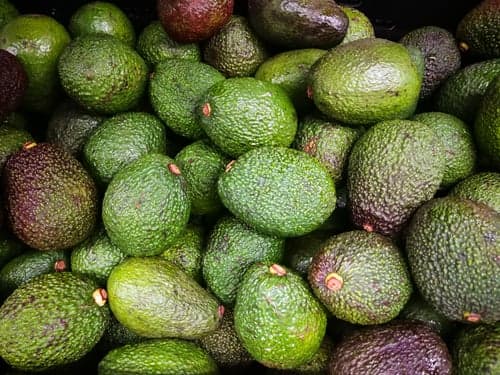
Avocado
Persea americana
A productive canopy or low-tree fruit species for frost-sheltered subtropical and warm-temperate sites in Aotearoa. Central to many Bay of Plenty and Northland food forest designs.
Canopy
Persea americana
A productive canopy or low-tree fruit species for frost-sheltered subtropical and warm-temperate sites in Aotearoa. Central to many Bay of Plenty and Northland food forest designs.

Canopy
Castanea sativa
Chestnut offers nut tree value for NZ food forests when matched honestly to climate, soil, and maintenance.
Canopy
Gleditsia triacanthos
Honey Locust offers multipurpose fodder and support tree value for NZ food forests when matched honestly to climate, soil, and maintenance.
Canopy
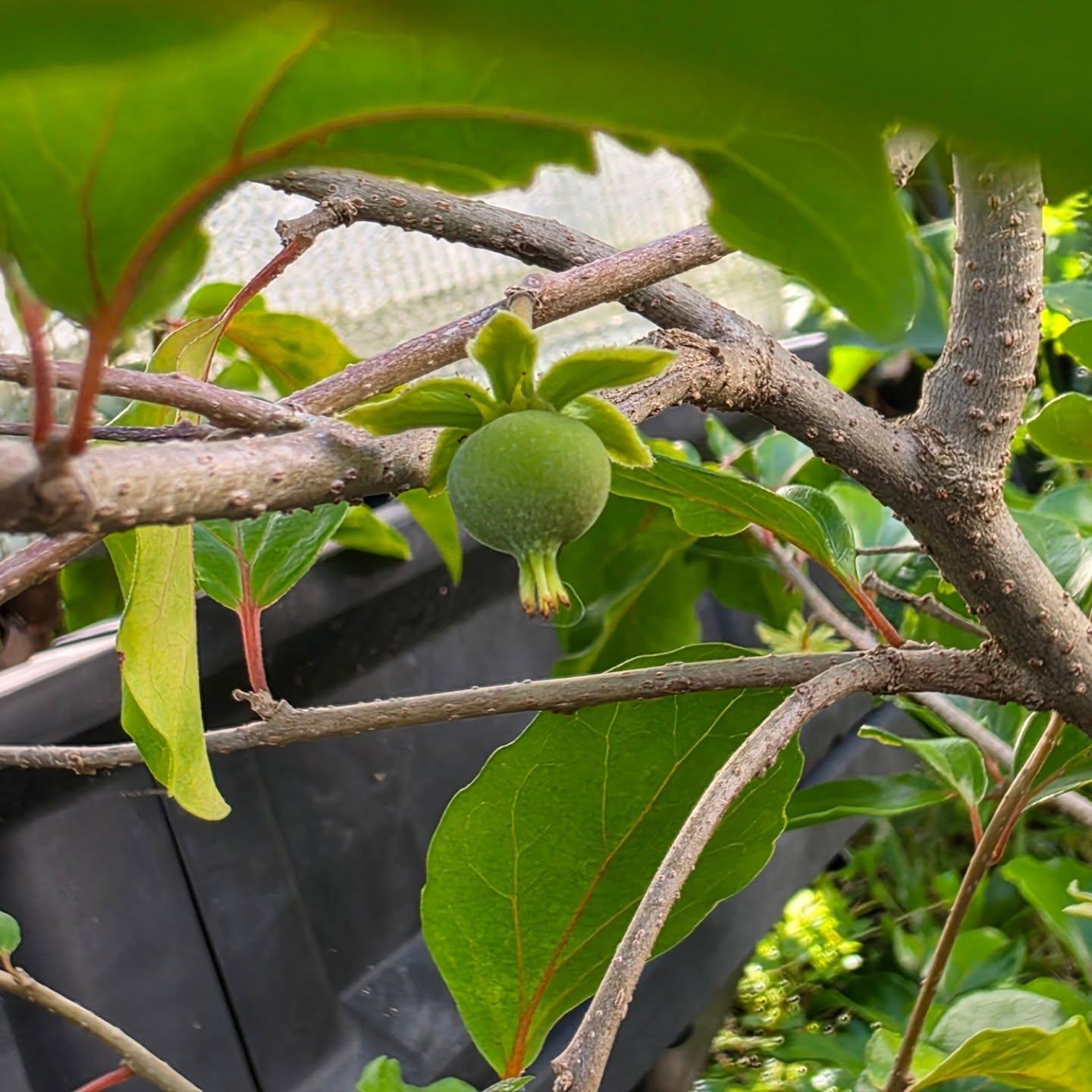
Inga edulis
Ice Cream Bean offers subtropical nitrogen-fixing fruit tree value for NZ food forests when matched honestly to climate, soil, and maintenance.
Canopy
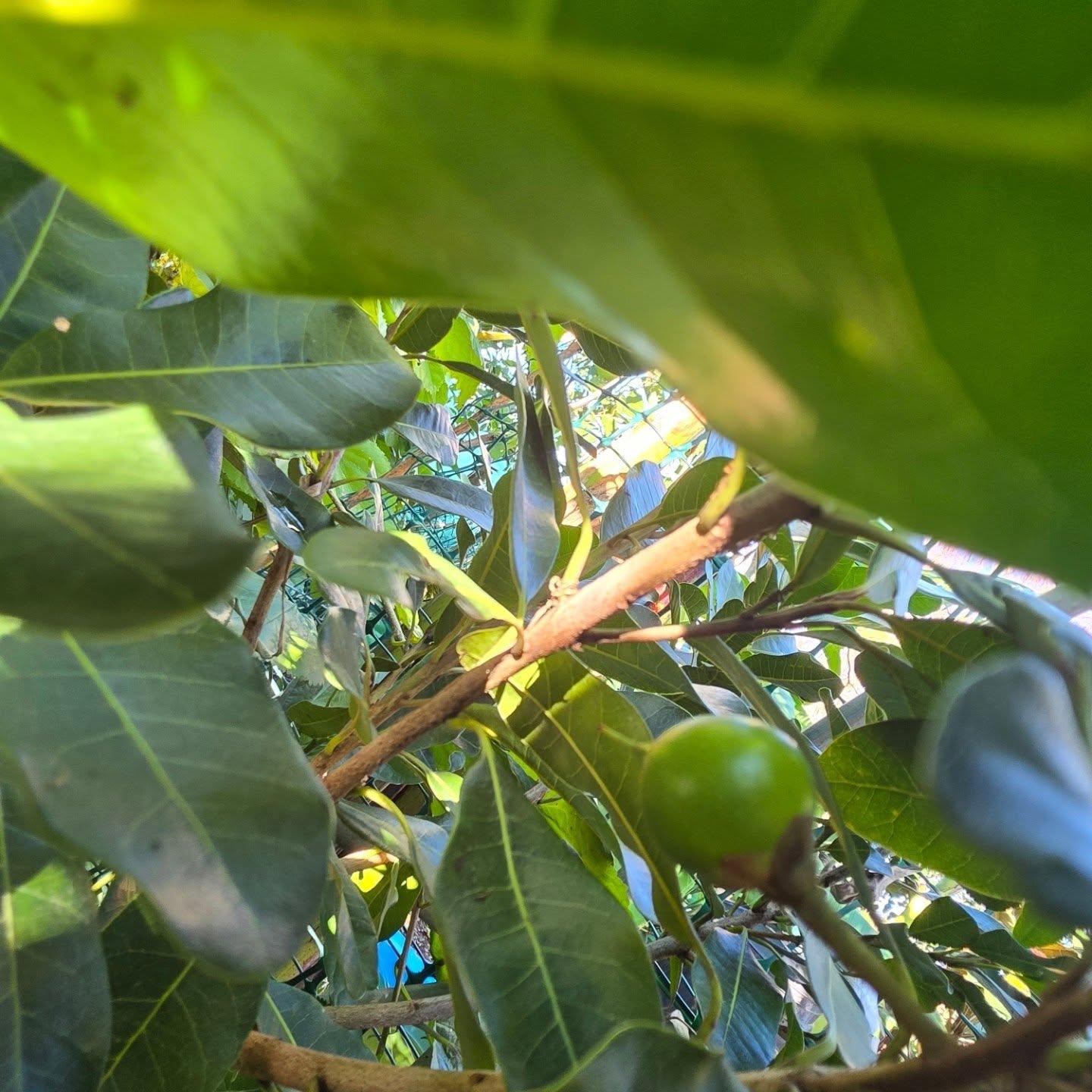
Corynocarpus laevigatus
Karaka offers native shelter tree value for NZ food forests when matched honestly to climate, soil, and maintenance.
Canopy
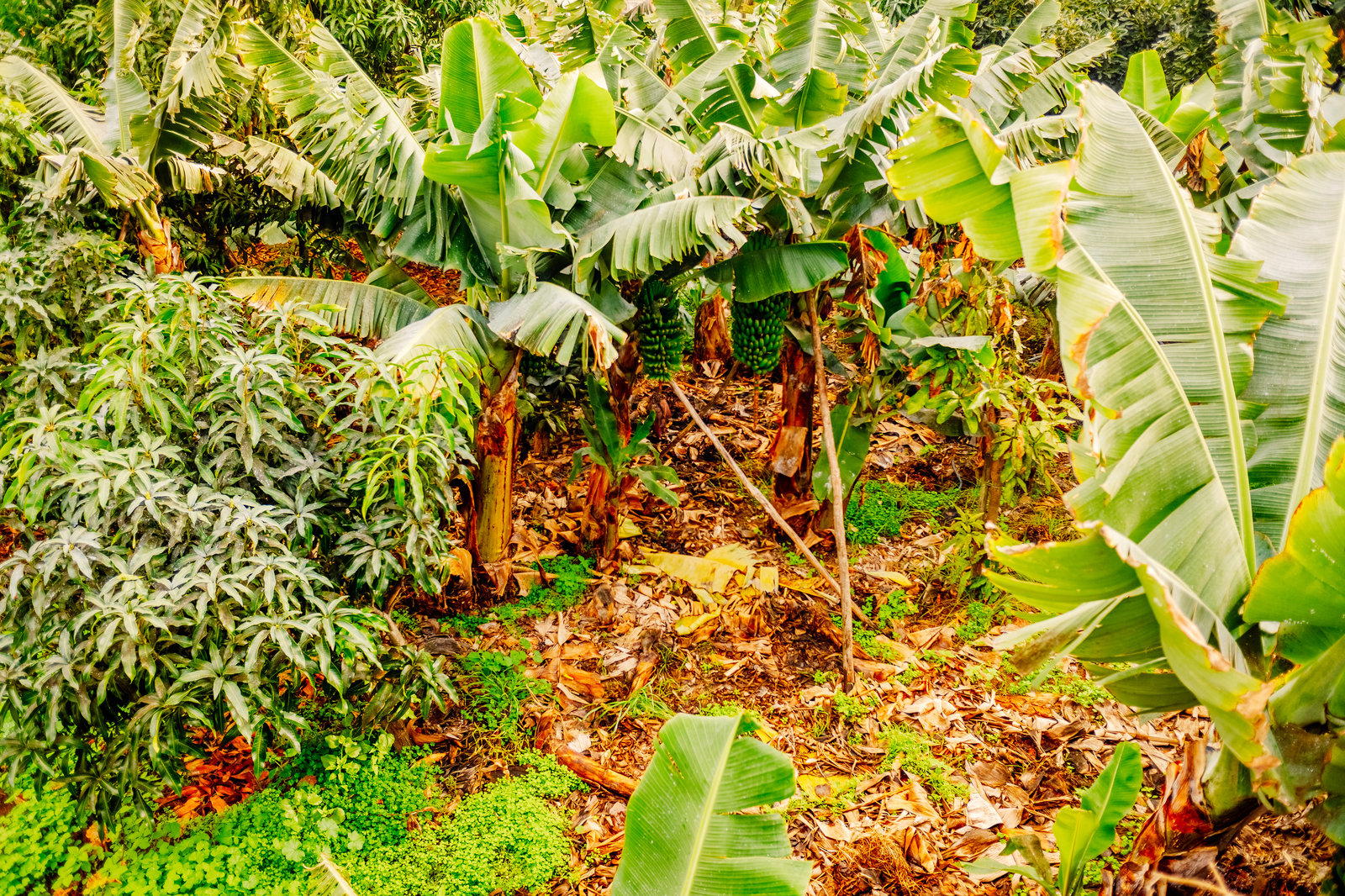
Sophora microphylla and S. tetraptera
Kowhai offers native support tree value for NZ food forests when matched honestly to climate, soil, and maintenance.
Canopy
Macadamia integrifolia / M. tetraphylla
A long-lived evergreen nut tree for frost-sheltered warm sites. Slow to crop but valuable canopy structure and high-value kai where climate allows.

Canopy
Morus alba, M. rubra, and hybrids
Mulberry offers fruit tree value for NZ food forests when matched honestly to climate, soil, and maintenance.

Canopy
Carya illinoinensis
Pecan offers nut tree value for NZ food forests when matched honestly to climate, soil, and maintenance.
Canopy
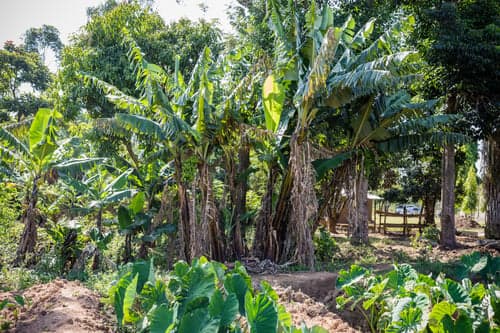
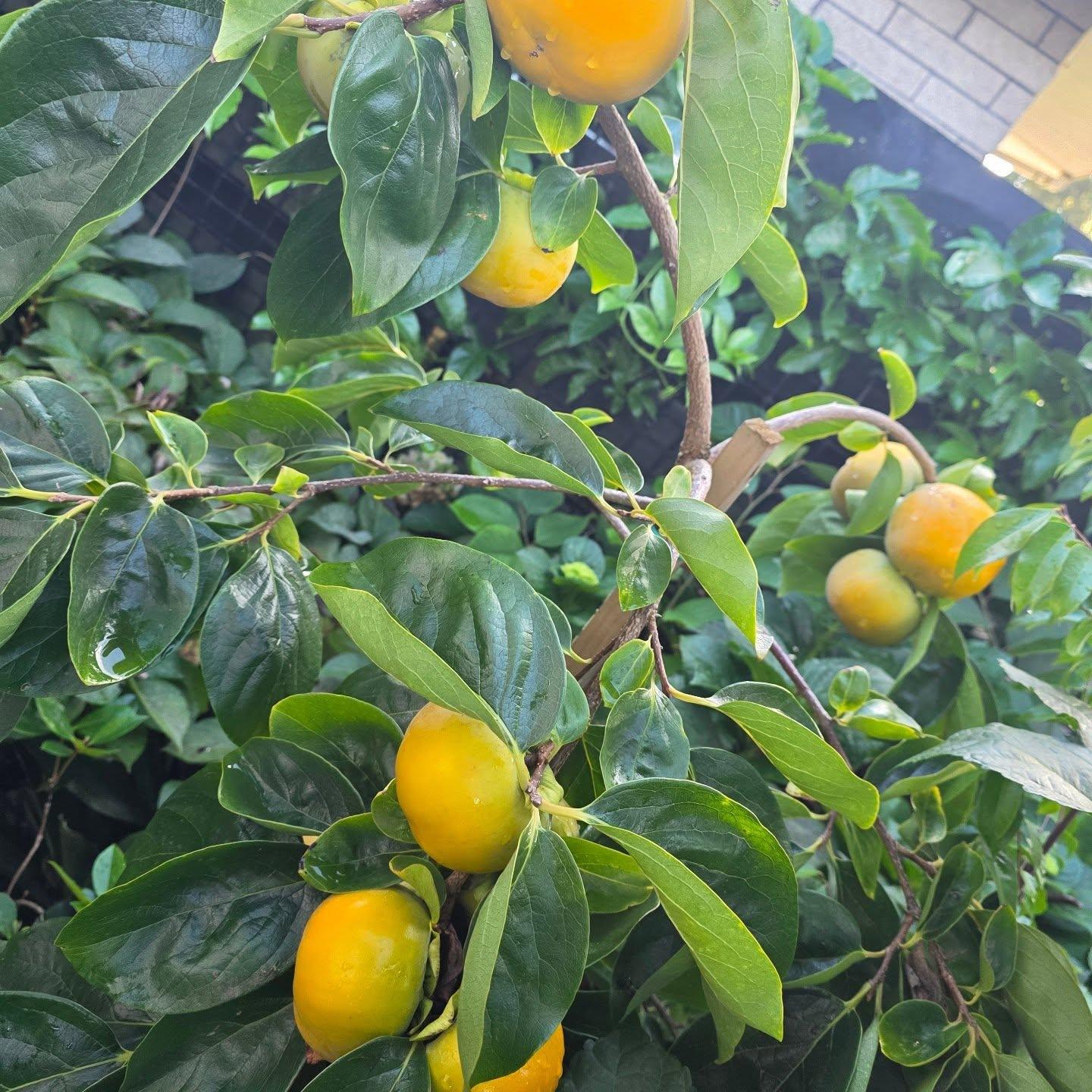
Diospyros kaki
A handsome deciduous fruit tree suited to much of temperate Aotearoa. Astringent and non-astringent cultivars extend harvest into autumn and early winter.
Canopy
Vitex lucens
Puriri offers native shelter and habitat tree value for NZ food forests when matched honestly to climate, soil, and maintenance.
Canopy
Alectryon excelsus
Titoki offers native shelter tree value for NZ food forests when matched honestly to climate, soil, and maintenance.
Canopy
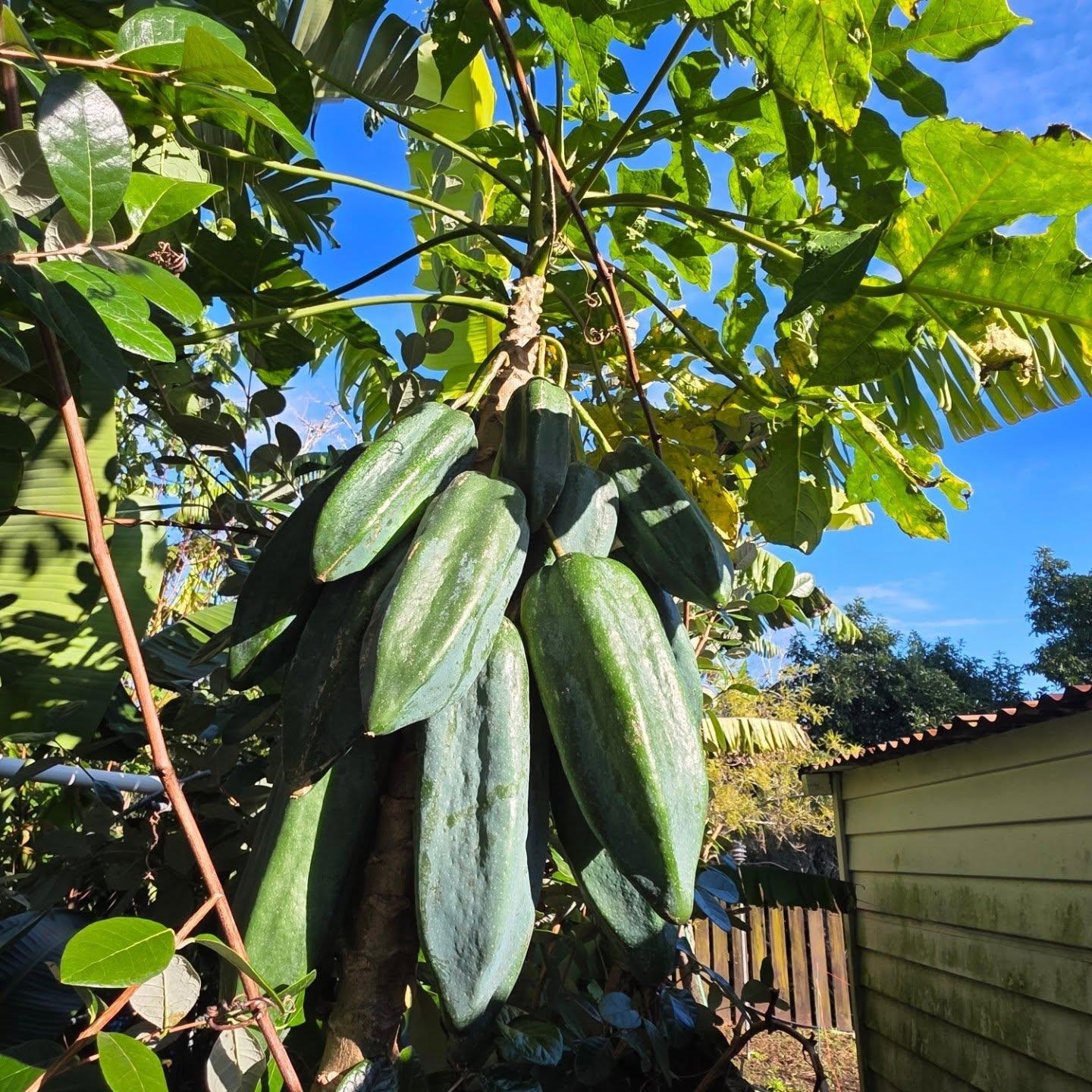
Juglans regia
Walnut offers nut tree value for NZ food forests when matched honestly to climate, soil, and maintenance.
Climber layer
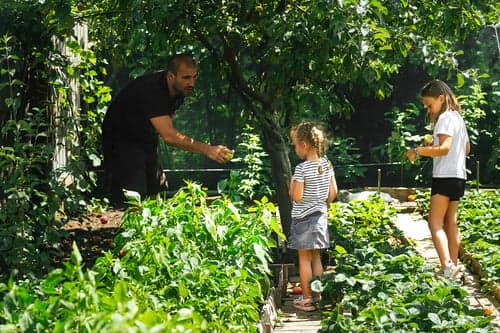
Sechium edule
A rampant warm-season climber with mild edible fruit. Excellent vertical cover and bulk kai where frost-free seasons are long enough.
Climber layer
Vitis vinifera / V. hybrids
A deciduous fruiting climber for sunny walls and pergolas. Table and wine types cover a wide NZ climate range with cultivar matching.
Climber layer
Humulus lupulus
Hops offers perennial brewing and shoot climber value for NZ food forests when matched honestly to climate, soil, and maintenance.
Climber layer
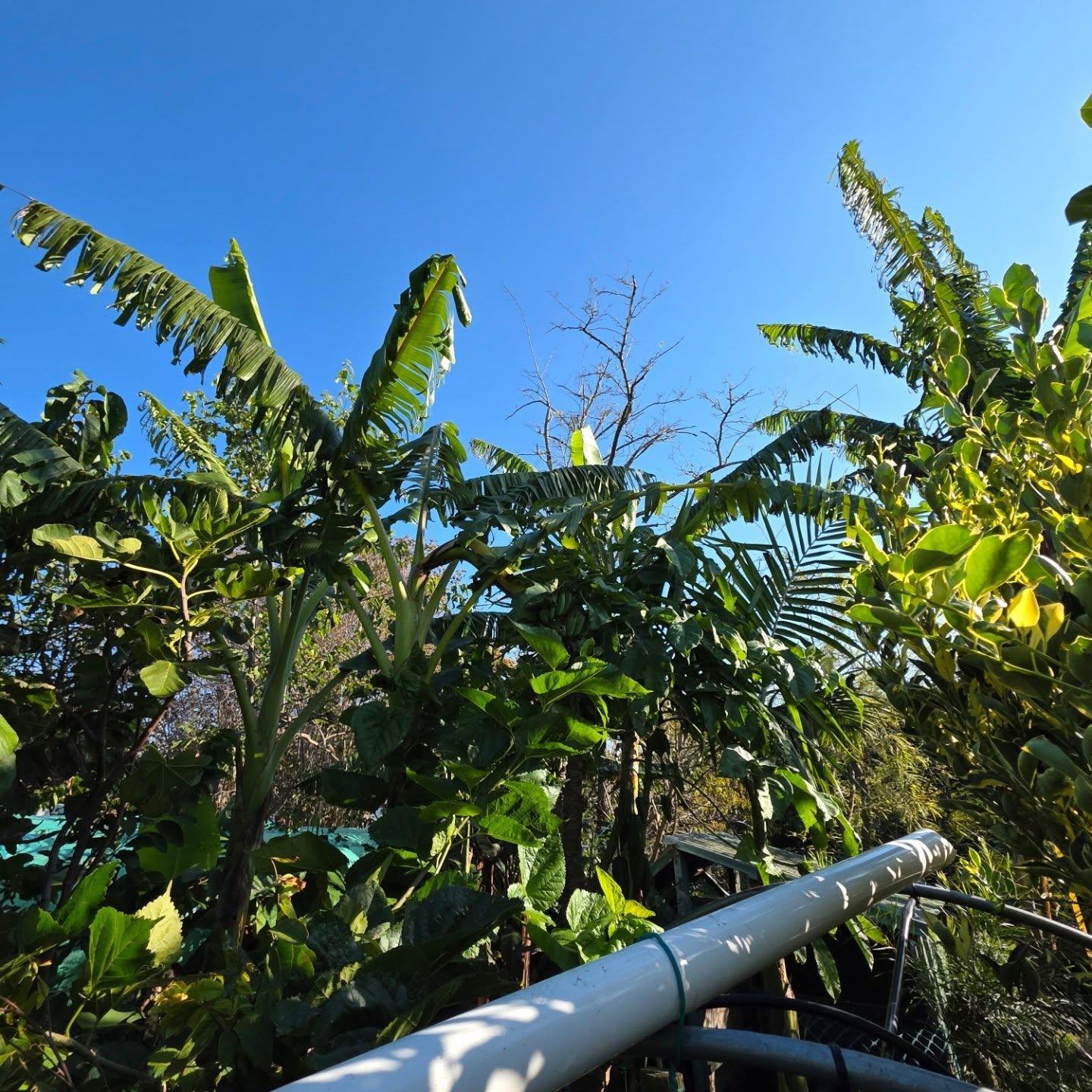
Actinidia deliciosa / A. chinensis
A vigorous deciduous climber iconic to the Bay of Plenty. Needs strong support, male and female vines (or self-fertile types), and wind-aware siting.
Climber layer
Basella alba
Malabar Spinach offers warm-season leafy climber value for NZ food forests when matched honestly to climate, soil, and maintenance.
Climber layer
Passiflora edulis
A vigorous evergreen climber for warm, frost-sheltered fences and trellises. Delivers aromatic fruit where winters are mild enough.
Climber layer
Phaseolus coccineus
Scarlet Runner Bean offers perennial or annual bean value for NZ food forests when matched honestly to climate, soil, and maintenance.
Fungi and decomposers
Pleurotus ostreatus group
Oyster Mushroom Log offers edible mushroom log or bucket value for NZ food forests when matched honestly to climate, soil, and maintenance.
Fungi and decomposers
Lentinula edodes
Shiitake Log offers edible mushroom log value for NZ food forests when matched honestly to climate, soil, and maintenance.
Fungi and decomposers
Stropharia rugosoannulata
Wine Cap Mushroom offers edible mushroom bed value for NZ food forests when matched honestly to climate, soil, and maintenance.
Groundcover layer
Fragaria vesca
Alpine Strawberry offers berry groundcover value for NZ food forests when matched honestly to climate, soil, and maintenance.
Groundcover layer
Vaccinium macrocarpon
Cranberry offers acid berry groundcover value for NZ food forests when matched honestly to climate, soil, and maintenance.
Groundcover layer
Thymus serpyllum
Creeping Thyme offers culinary groundcover herb value for NZ food forests when matched honestly to climate, soil, and maintenance.
Groundcover layer
Dichondra repens
NZ Dichondra offers native-style living mulch value for NZ food forests when matched honestly to climate, soil, and maintenance.
Groundcover layer
Centella asiatica
Gotu Kola offers moist medicinal herb groundcover value for NZ food forests when matched honestly to climate, soil, and maintenance.
Groundcover layer
Tropaeolum majus
A cheerful self-seeding groundcover and living mulch. Edible flowers and leaves add salad interest while covering soil.
Groundcover layer
Tetragonia tetragonioides
A salt-tolerant indigenous leafy groundcover. Useful edible greens for coastal and dry sunny edges when harvested young and cooked appropriately.
Groundcover layer
Fragaria × ananassa
A productive groundcover berry for sunny edges and guild understories. Soft fruit needs bird netting and tidy runner management.
Groundcover layer
Galium odoratum
Sweet Woodruff offers shade groundcover herb value for NZ food forests when matched honestly to climate, soil, and maintenance.
Groundcover layer
Viola odorata
Sweet Violet offers edible flower groundcover value for NZ food forests when matched honestly to climate, soil, and maintenance.
Groundcover layer
Trifolium repens
A classic nitrogen-fixing living mulch for temperate orchard floors. Fixes nitrogen, feeds bees and softens bare soil between trees.
Herbaceous layer
Asparagus officinalis
Asparagus offers perennial vegetable value for NZ food forests when matched honestly to climate, soil, and maintenance.
Herbaceous layer
Musa spp.
Fast-growing herbaceous ‘tree’ for frost-free or frost-managed subtropical pockets. Creates a lush microclimate and fits banana-circle patterns.
Herbaceous layer
Borago officinalis
A self-seeding annual herb with bee-magnet flowers and edible blooms. Excellent insectary plant for temperate food forest edges.
Herbaceous layer
Calendula officinalis
Calendula offers edible flower and insectary annual value for NZ food forests when matched honestly to climate, soil, and maintenance.
Herbaceous layer
Cynara cardunculus
Cardoon offers perennial vegetable and biomass plant value for NZ food forests when matched honestly to climate, soil, and maintenance.
Herbaceous layer
Matricaria chamomilla
German Chamomile offers tea herb and insectary annual value for NZ food forests when matched honestly to climate, soil, and maintenance.
Herbaceous layer
Cichorium intybus
Chicory offers perennial leafy green and root herb value for NZ food forests when matched honestly to climate, soil, and maintenance.
Herbaceous layer
Allium schoenoprasum
A compact perennial allium for culinary use and orchard understoreys. Soft onion flavour and purple flowers that bees visit.
Herbaceous layer
Symphytum × uplandicum
A classic dynamic accumulator and chop-and-drop plant for food forest understoreys. Supports fertility cycling around fruit trees.
Herbaceous layer
Taraxacum officinale
Dandelion offers edible weed and dynamic herb value for NZ food forests when matched honestly to climate, soil, and maintenance.
Herbaceous layer
Anethum graveolens
Dill offers annual herb value for NZ food forests when matched honestly to climate, soil, and maintenance.
Herbaceous layer
Echinacea purpurea
Echinacea offers medicinal flower perennial value for NZ food forests when matched honestly to climate, soil, and maintenance.
Herbaceous layer
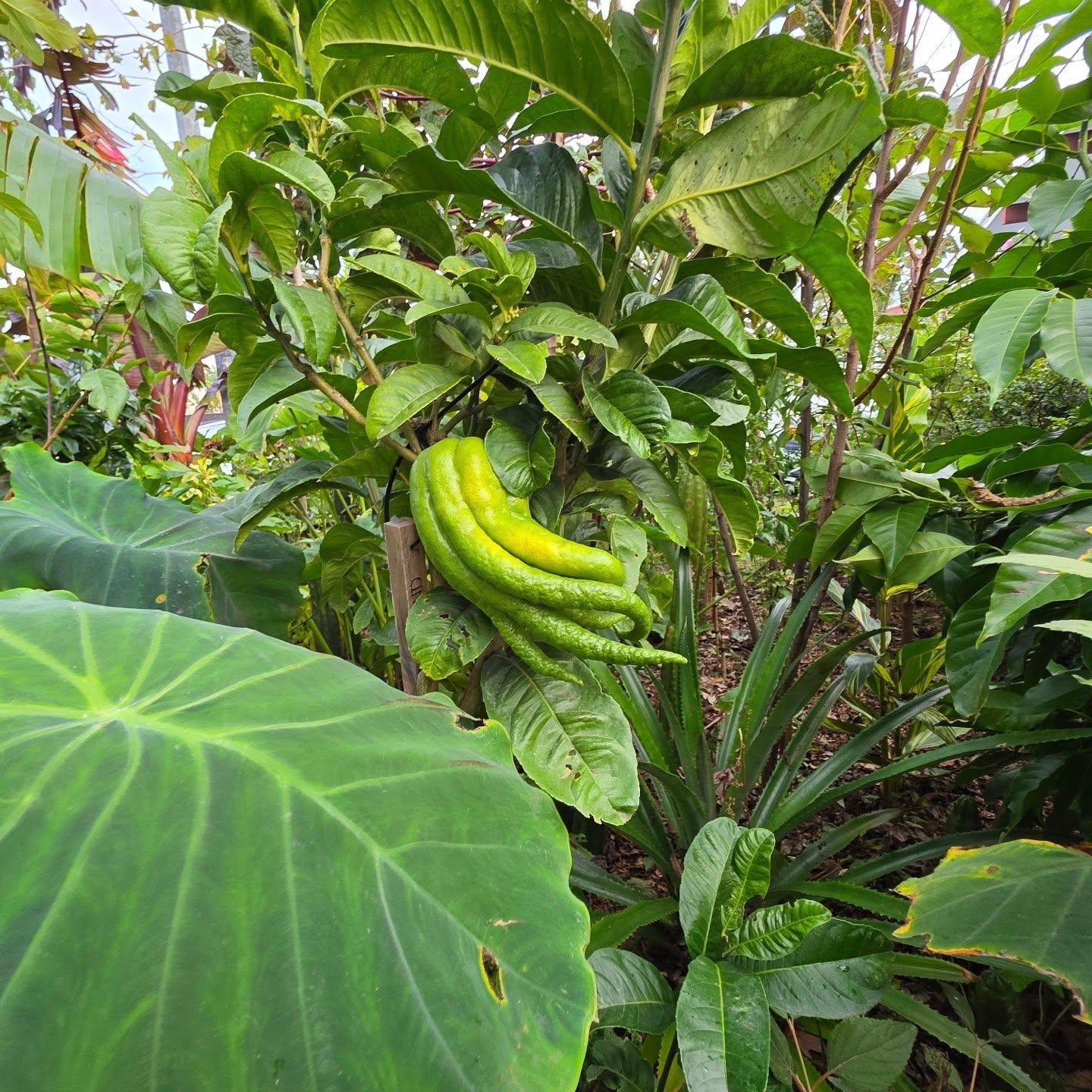
Allium x proliferum
Egyptian Walking Onion offers perennial allium value for NZ food forests when matched honestly to climate, soil, and maintenance.
Herbaceous layer
Foeniculum vulgare
Fennel offers aromatic herb value for NZ food forests when matched honestly to climate, soil, and maintenance.
Herbaceous layer
Allium sativum
Garlic offers bulb crop value for NZ food forests when matched honestly to climate, soil, and maintenance.
Herbaceous layer
Cynara cardunculus var. scolymus
Globe Artichoke offers perennial vegetable value for NZ food forests when matched honestly to climate, soil, and maintenance.
Herbaceous layer
Blitum bonus-henricus
Good King Henry offers perennial leafy green value for NZ food forests when matched honestly to climate, soil, and maintenance.
Herbaceous layer
Phormium tenax
A foundational indigenous structural plant for fibre, habitat and wind-edge planting. Valued for weaving and ecology — not marketed here as a fruit crop.
Herbaceous layer
Melissa officinalis
Lemon Balm offers aromatic herb value for NZ food forests when matched honestly to climate, soil, and maintenance.
Herbaceous layer
Cymbopogon citratus
A clumping aromatic grass for warm sheltered gardens. Culinary stems and leaves plus useful edge biomass in subtropical food forests.
Herbaceous layer
Levisticum officinale
Lovage offers perennial culinary herb value for NZ food forests when matched honestly to climate, soil, and maintenance.
Herbaceous layer
Lupinus spp. (incl. L. arboreus / garden hybrids as appropriate)
Nitrogen-fixing herbaceous or shrubby legumes used for soil building and bee forage. Choose sterile or non-invasive types and follow local weed guidance.
Herbaceous layer
Mentha species and hybrids
Mint offers culinary herb value for NZ food forests when matched honestly to climate, soil, and maintenance.
Herbaceous layer
Urtica dioica
Stinging Nettle offers mineral-rich leafy green and insect plant value for NZ food forests when matched honestly to climate, soil, and maintenance.

Herbaceous layer
Origanum vulgare
A drought-tolerant Mediterranean culinary herb for sunny dry edges. Useful living mulch and insectary in free-draining food forest margins.
Herbaceous layer
Allium ampeloprasum
Perennial Leek offers perennial allium value for NZ food forests when matched honestly to climate, soil, and maintenance.
Herbaceous layer
Plantago lanceolata and P. major
Plantain offers edible weed and support herb value for NZ food forests when matched honestly to climate, soil, and maintenance.
Herbaceous layer
Trifolium pratense
Red Clover offers nitrogen-fixing insectary herb value for NZ food forests when matched honestly to climate, soil, and maintenance.
Herbaceous layer
Rheum rhabarbarum
Rhubarb offers perennial vegetable value for NZ food forests when matched honestly to climate, soil, and maintenance.
Herbaceous layer
Sanguisorba minor
Salad Burnet offers perennial salad herb value for NZ food forests when matched honestly to climate, soil, and maintenance.
Herbaceous layer
Rumex acetosa
Sorrel offers perennial leafy green value for NZ food forests when matched honestly to climate, soil, and maintenance.
Herbaceous layer
Thymus vulgaris
Thyme offers culinary herb value for NZ food forests when matched honestly to climate, soil, and maintenance.
Herbaceous layer
Curcuma longa
A frost-tender rhizome crop for warm, sheltered, moist niches. Grown for culinary rhizomes and lush understorey foliage where heat allows.
Herbaceous layer
Achillea millefolium
A tough perennial herb used as an insectary and dynamic accumulator in temperate food forests. Spreads into a useful edge and pathway plant.
Low-tree layer
Prunus dulcis
Almond offers nut tree value for NZ food forests when matched honestly to climate, soil, and maintenance.
Low-tree layer
Malus domestica
The classic temperate fruit tree for Aotearoa. Rootstock and cultivar choice let apples fit suburban low-tree layers through to cooler inland orchards.
Low-tree layer
Prunus armeniaca
Apricot offers stone fruit tree value for NZ food forests when matched honestly to climate, soil, and maintenance.
Low-tree layer
Vasconcellea x heilbornii
Babaco offers subtropical fruit tree value for NZ food forests when matched honestly to climate, soil, and maintenance.
Low-tree layer
Laurus nobilis
Bay Laurel offers culinary evergreen tree value for NZ food forests when matched honestly to climate, soil, and maintenance.
Low-tree layer
Ceratonia siliqua
Carob offers mediterranean pod tree value for NZ food forests when matched honestly to climate, soil, and maintenance.
Low-tree layer
Annona cherimola
Cherimoya offers subtropical fruit tree value for NZ food forests when matched honestly to climate, soil, and maintenance.
Low-tree layer
Coffea arabica
Coffee offers subtropical beverage shrub value for NZ food forests when matched honestly to climate, soil, and maintenance.
Low-tree layer
Prunus domestica subsp. insititia
Damson offers stone fruit tree value for NZ food forests when matched honestly to climate, soil, and maintenance.
Low-tree layer
Ficus carica
Fig offers fruit tree value for NZ food forests when matched honestly to climate, soil, and maintenance.
Low-tree layer
Citrus x paradisi
Grapefruit offers citrus fruit tree value for NZ food forests when matched honestly to climate, soil, and maintenance.
Low-tree layer
Prunus domestica Italica Group
Greengage offers stone fruit tree value for NZ food forests when matched honestly to climate, soil, and maintenance.
Low-tree layer
Corylus avellana
Hazelnut offers nut shrub or small tree value for NZ food forests when matched honestly to climate, soil, and maintenance.
Low-tree layer
Ziziphus jujuba
Jujube offers drought-tolerant fruit tree value for NZ food forests when matched honestly to climate, soil, and maintenance.
Low-tree layer
Kunzea ericoides aggregate
Kanuka offers native nurse and bee plant value for NZ food forests when matched honestly to climate, soil, and maintenance.
Low-tree layer
Pittosporum crassifolium
Karo offers coastal native shelter tree value for NZ food forests when matched honestly to climate, soil, and maintenance.
Low-tree layer
Citrus japonica
Kumquat offers citrus fruit tree value for NZ food forests when matched honestly to climate, soil, and maintenance.
Low-tree layer
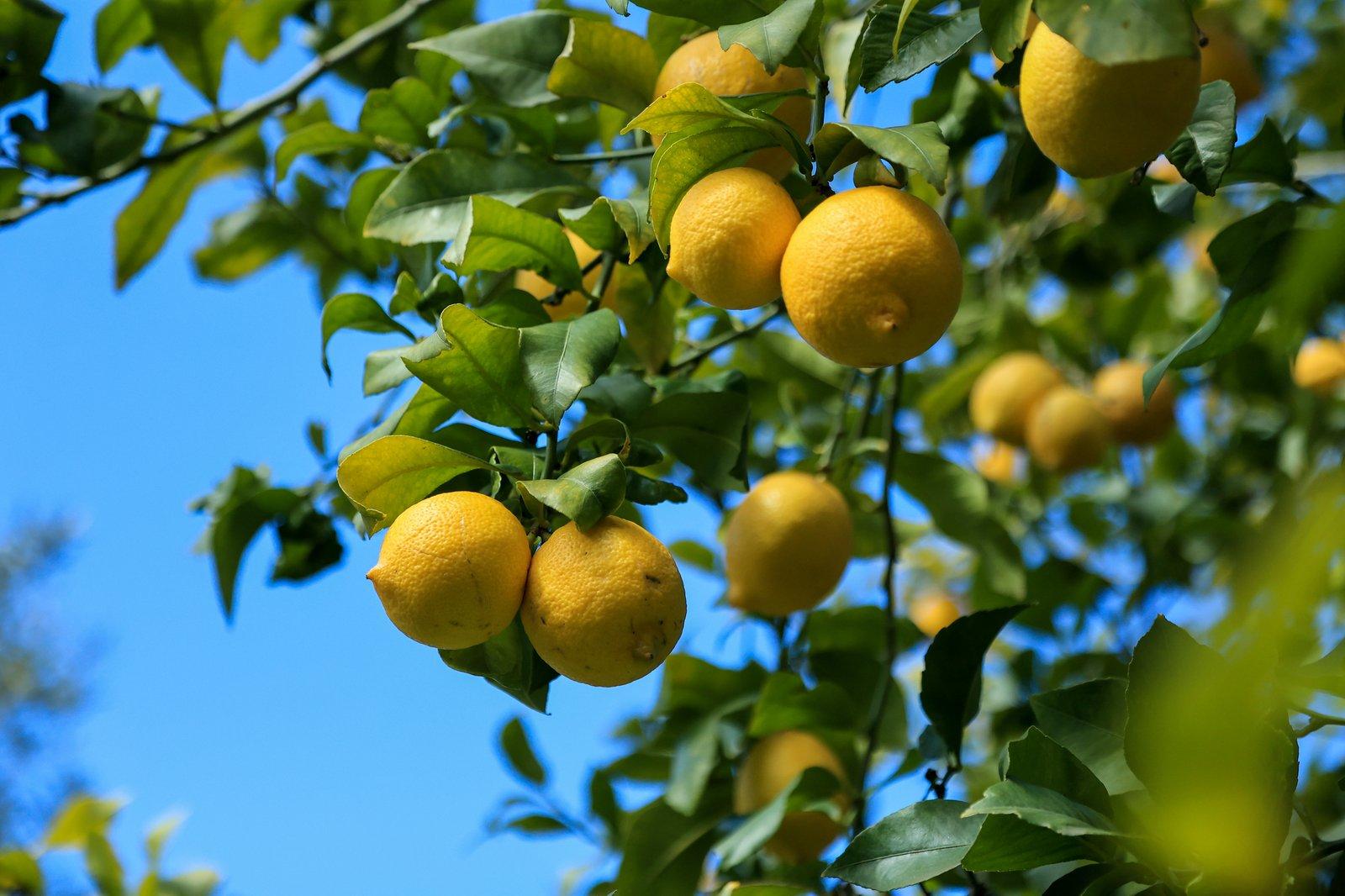
Citrus limon
A productive citrus for warm, sheltered sites. Provides year-round culinary value and fits the low-tree or shrub layer depending on rootstock and pruning.
Low-tree layer
Citrus aurantiifolia and Citrus latifolia
Lime offers citrus fruit tree value for NZ food forests when matched honestly to climate, soil, and maintenance.
Low-tree layer
Eriobotrya japonica
An evergreen low tree with fragrant winter flowers and early spring fruit. Suits frost-sheltered warm-temperate gardens across northern and coastal NZ.
Low-tree layer
Citrus reticulata
Sweet, easy-peel citrus for sheltered warm gardens. Works in the low-tree layer beside other citrus and nitrogen-fixing shrubs.
Low-tree layer
Leptospermum scoparium
Manuka offers native nurse and bee plant value for NZ food forests when matched honestly to climate, soil, and maintenance.
Low-tree layer
Mespilus germanica
Medlar offers unusual pome fruit tree value for NZ food forests when matched honestly to climate, soil, and maintenance.
Low-tree layer
Moringa oleifera
Moringa offers frost-tender leaf and pod tree value for NZ food forests when matched honestly to climate, soil, and maintenance.
Low-tree layer
Pyrus pyrifolia
Nashi offers fruit tree value for NZ food forests when matched honestly to climate, soil, and maintenance.
Low-tree layer
Prunus persica var. nucipersica
Nectarine offers stone fruit tree value for NZ food forests when matched honestly to climate, soil, and maintenance.
Low-tree layer
Myoporum laetum
Ngaio offers coastal native shelter tree value for NZ food forests when matched honestly to climate, soil, and maintenance.
Low-tree layer
Olea europaea
An evergreen oil and table-fruit tree for sunny, free-draining, frost-managed sites. Best where summers are warm and winters not severely wet and cold.
Low-tree layer
Citrus sinensis
Orange offers citrus fruit tree value for NZ food forests when matched honestly to climate, soil, and maintenance.
Low-tree layer
Prunus persica
Peach offers stone fruit tree value for NZ food forests when matched honestly to climate, soil, and maintenance.
Low-tree layer
Pyrus communis / P. pyrifolia
Deciduous pear for temperate food forests. European and nashi types extend flavour and harvest windows across much of Aotearoa.
Low-tree layer
Prunus domestica / P. salicina
Fast-fruiting deciduous stonefruit for temperate food forests. European and Japanese types cover a wide NZ climate range with the right cultivar and chill.
Low-tree layer
Punica granatum
Pomegranate offers mediterranean fruit shrub or tree value for NZ food forests when matched honestly to climate, soil, and maintenance.
Low-tree layer
Cydonia oblonga
Quince offers pome fruit tree value for NZ food forests when matched honestly to climate, soil, and maintenance.
Low-tree layer
Prunus cerasus
Sour Cherry offers stone fruit tree value for NZ food forests when matched honestly to climate, soil, and maintenance.
Low-tree layer
Prunus avium
Sweet Cherry offers stone fruit tree value for NZ food forests when matched honestly to climate, soil, and maintenance.
Low-tree layer
Chamaecytisus palmensis
A hardy nitrogen-fixing small tree used for shelter, fodder and nurse functions. Useful on exposed edges while longer-term canopy establishes.
Low-tree layer
Solanum betaceum
Tamarillo offers subtropical fruit tree value for NZ food forests when matched honestly to climate, soil, and maintenance.
Low-tree layer
Citrus reticulata x C. paradisi
Tangelo offers citrus fruit tree value for NZ food forests when matched honestly to climate, soil, and maintenance.
Low-tree layer
Pittosporum eugenioides
Tarata Lemonwood offers native shelter tree value for NZ food forests when matched honestly to climate, soil, and maintenance.
Low-tree layer
Coprosma repens
Taupata offers coastal native shelter shrub value for NZ food forests when matched honestly to climate, soil, and maintenance.
Low-tree layer
Camellia sinensis
Tea offers beverage shrub value for NZ food forests when matched honestly to climate, soil, and maintenance.
Low-tree layer
Casimiroa edulis
White Sapote offers subtropical fruit tree value for NZ food forests when matched honestly to climate, soil, and maintenance.
Low-tree layer
Citrus junos
Yuzu offers citrus fruit tree value for NZ food forests when matched honestly to climate, soil, and maintenance.
Root layer
Stachys affinis
Chinese Artichoke offers small tuber crop value for NZ food forests when matched honestly to climate, soil, and maintenance.
Root layer
Zingiber officinale
A frost-tender culinary rhizome for warm sheltered understoreys. Needs a long warm season and rich moist soil.
Root layer
Armoracia rusticana
Horseradish offers pungent root crop value for NZ food forests when matched honestly to climate, soil, and maintenance.
Root layer
Helianthus tuberosus
Jerusalem Artichoke offers tuber crop value for NZ food forests when matched honestly to climate, soil, and maintenance.
Root layer
Ipomoea batatas
A warm-season root crop and sprawling groundcover. Central to Māori and Pacific gardens; needs heat and a frost-free growing window.
Root layer
Tropaeolum tuberosum
Mashua offers andean tuber crop value for NZ food forests when matched honestly to climate, soil, and maintenance.
Root layer
Oxalis tuberosa
An Andean tuber for cool temperate gardens. Forms tubers in short days; useful root diversity where potatoes already grow.
Root layer
Scorzonera hispanica
Scorzonera offers perennial root vegetable value for NZ food forests when matched honestly to climate, soil, and maintenance.
Root layer
Colocasia esculenta
A moisture-loving root and leaf crop for damp, frost-managed niches. Valued in Pacific food cultures and useful in wet-area food forest pockets.
Root layer
Ullucus tuberosus
Ulluco offers andean tuber crop value for NZ food forests when matched honestly to climate, soil, and maintenance.
Root layer
Smallanthus sonchifolius
A tall Andean root crop with crisp, sweet storage roots. Suits temperate NZ gardens with a long enough season to fill tubers before frost.
Shrub layer
Rubus fruticosus aggregate
Blackberry offers berry value for NZ food forests when matched honestly to climate, soil, and maintenance.
Shrub layer
Ribes nigrum
Blackcurrant offers berry value for NZ food forests when matched honestly to climate, soil, and maintenance.
Shrub layer
Vaccinium corymbosum / V. ashei
Acid-loving berry shrubs for sunny food forest edges and dedicated beds. Highbush and rabbiteye types cover a wide NZ climate range with soil care.
Shrub layer
Rubus ursinus x idaeus hybrid
Boysenberry offers cane berry value for NZ food forests when matched honestly to climate, soil, and maintenance.
Shrub layer
Physalis peruviana
Cape Gooseberry offers berry-like fruiting perennial value for NZ food forests when matched honestly to climate, soil, and maintenance.
Shrub layer
Ugni molinae
Chilean Guava offers berry value for NZ food forests when matched honestly to climate, soil, and maintenance.
Shrub layer
Aristotelia chilensis
Chilean Wineberry offers berry value for NZ food forests when matched honestly to climate, soil, and maintenance.
Shrub layer
Murraya koenigii
Curry Leaf Tree offers culinary leaf shrub value for NZ food forests when matched honestly to climate, soil, and maintenance.
Shrub layer
Sambucus nigra
A fast deciduous shrub for edges and wildlife habitat. Flowers and cooked berries are traditional kitchen uses; raw berries are not eaten.
Shrub layer
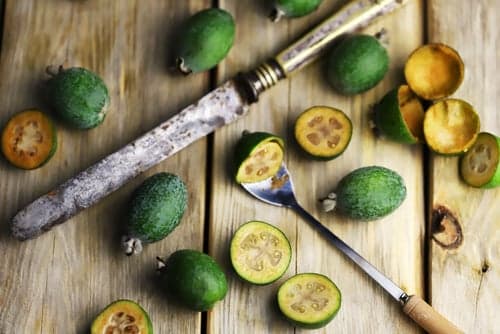
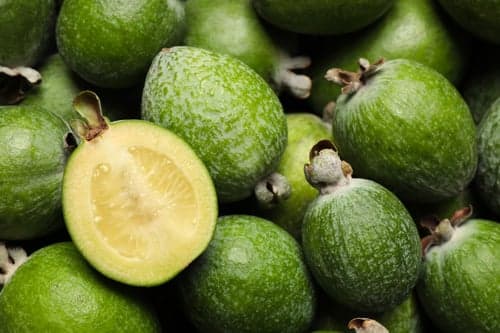
Acca sellowiana
A tough, productive shrub or small tree widely grown across Aotearoa. Excellent for boundaries, wind reduction and reliable autumn kai.
Shrub layer
Lycium barbarum
Goji offers berry value for NZ food forests when matched honestly to climate, soil, and maintenance.
Shrub layer
Ribes uva-crispa
Gooseberry offers berry value for NZ food forests when matched honestly to climate, soil, and maintenance.
Shrub layer
Psidium guajava
A fragrant fruiting shrub or small tree for frost-free to lightly frosted warm pockets. Intensely aromatic fruit where heat and shelter align.
Shrub layer
Pseudowintera colorata
Horopito offers native peppery shrub value for NZ food forests when matched honestly to climate, soil, and maintenance.
Shrub layer
Ribes x nidigrolaria
Jostaberry offers berry value for NZ food forests when matched honestly to climate, soil, and maintenance.
Shrub layer
Piper excelsum
Kawakawa offers native aromatic shrub value for NZ food forests when matched honestly to climate, soil, and maintenance.
Shrub layer
Lavandula angustifolia and hybrids
Lavender offers aromatic herb shrub value for NZ food forests when matched honestly to climate, soil, and maintenance.
Shrub layer
Aloysia citrodora
Lemon Verbena offers aromatic herb shrub value for NZ food forests when matched honestly to climate, soil, and maintenance.
Shrub layer
Rubus x loganobaccus
Loganberry offers cane berry value for NZ food forests when matched honestly to climate, soil, and maintenance.
Shrub layer
Cajanus cajan
A short-lived nitrogen-fixing shrub for warm sites. Provides biomass, light shade and edible seeds where summers are long enough.
Shrub layer
Salvia elegans
Pineapple Sage offers aromatic herb shrub value for NZ food forests when matched honestly to climate, soil, and maintenance.
Shrub layer
Rubus idaeus
Cane fruit for temperate food forest edges and sunny allotment rows. Summer and autumn types extend harvest with simple trellis support.
Shrub layer
Ribes rubrum
Redcurrant offers berry value for NZ food forests when matched honestly to climate, soil, and maintenance.
Shrub layer
Salvia rosmarinus
Rosemary offers culinary herb shrub value for NZ food forests when matched honestly to climate, soil, and maintenance.
Shrub layer
Rosa rugosa
Rugosa Rose offers rose hip shrub value for NZ food forests when matched honestly to climate, soil, and maintenance.
Shrub layer
Hippophae rhamnoides
Sea Buckthorn offers berry and nitrogen-fixing shrub value for NZ food forests when matched honestly to climate, soil, and maintenance.
Shrub layer
Rubus hybrid
Silvanberry offers cane berry value for NZ food forests when matched honestly to climate, soil, and maintenance.