
Low-tree layer · Evergreen citrus
Lemon
Citrus limon
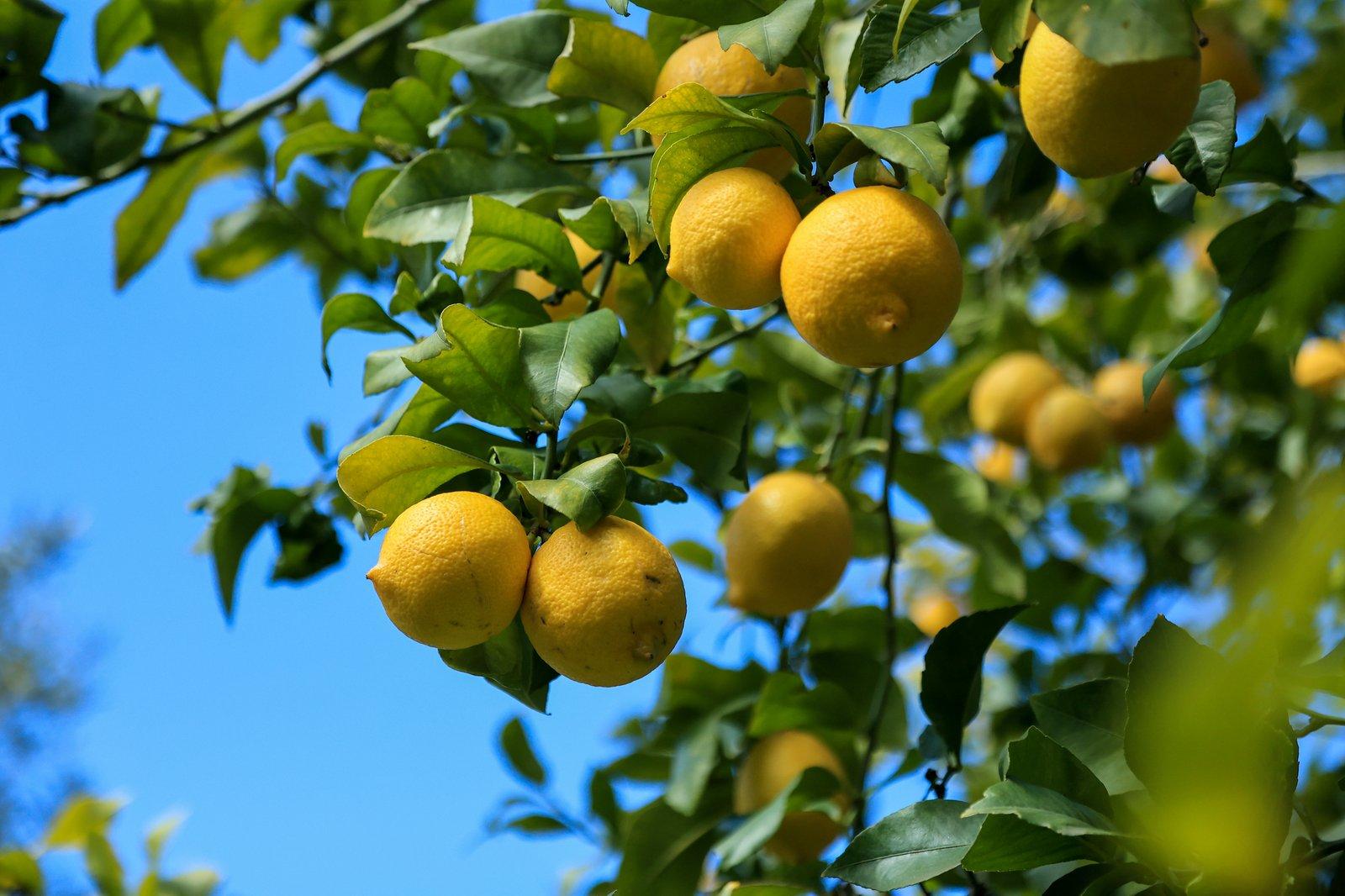
A productive citrus for warm, sheltered sites. Provides year-round culinary value and fits the low-tree or shrub layer depending on rootstock and pruning.
Also known as: Lemon
Layer
Low-tree layer
Climate
Subtropical, Warm temperate
Sun
Full sun with wind shelter.
Water
Even moisture; mulch well. Avoid prolonged waterlogging.
Soil
Free-draining, slightly acidic to neutral, fertile.
Size
2–4 m H · 2–3 m W
Growth
Moderate
Frost
Frost tender; protect young trees. Meyer types are often hardier than Eureka in NZ gardens.
Edible uses
Fruit, Zest, Leaves (culinary, sparingly)
Harvest window
Often staggered; peak depends on cultivar and climate
Ecological functions
Flower nectar · Understorey structure under taller canopy gaps
Wildlife value
Insect forage during flowering
Human uses
Culinary acid · Preserves · Drinks
Propagation
Grafted cultivars on suitable rootstock.
Maintenance
Feed with compost; prune for airflow; watch scale and citrus pests. Shelter from cold wind.
NZ growing notes
Coastal Bay of Plenty and Auckland sites suit lemons well. Inland frost risk rises sharply — use walls, shade cloth or frost cloth for young trees.
In the food forest
Lemon is a cornerstone low-tree citrus in warm sheltered guilds. Keep understorey low — chives, oregano, nasturtium and comfrey at the drip line — so airflow stays high around fruiting wood.
Establishment
Plant grafted trees on free-draining mounds. Install wind and frost protection before the first winter. Mulch widely, keep mulch off the trunk, and tip-prune for light.
NZ honesty
Honest in frost-sheltered northern and coastal warm-temperate gardens. Exposed inland frost pockets fail young trees quickly — microclimate beats regional marketing.
Suitable NZ regions
Companion plants
References
- Regional observation — Shelter and drainage drive success more than map region alone.