
Food forest basics
Core ideas, layers and how edible ecosystems differ from single-crop gardens.
Explore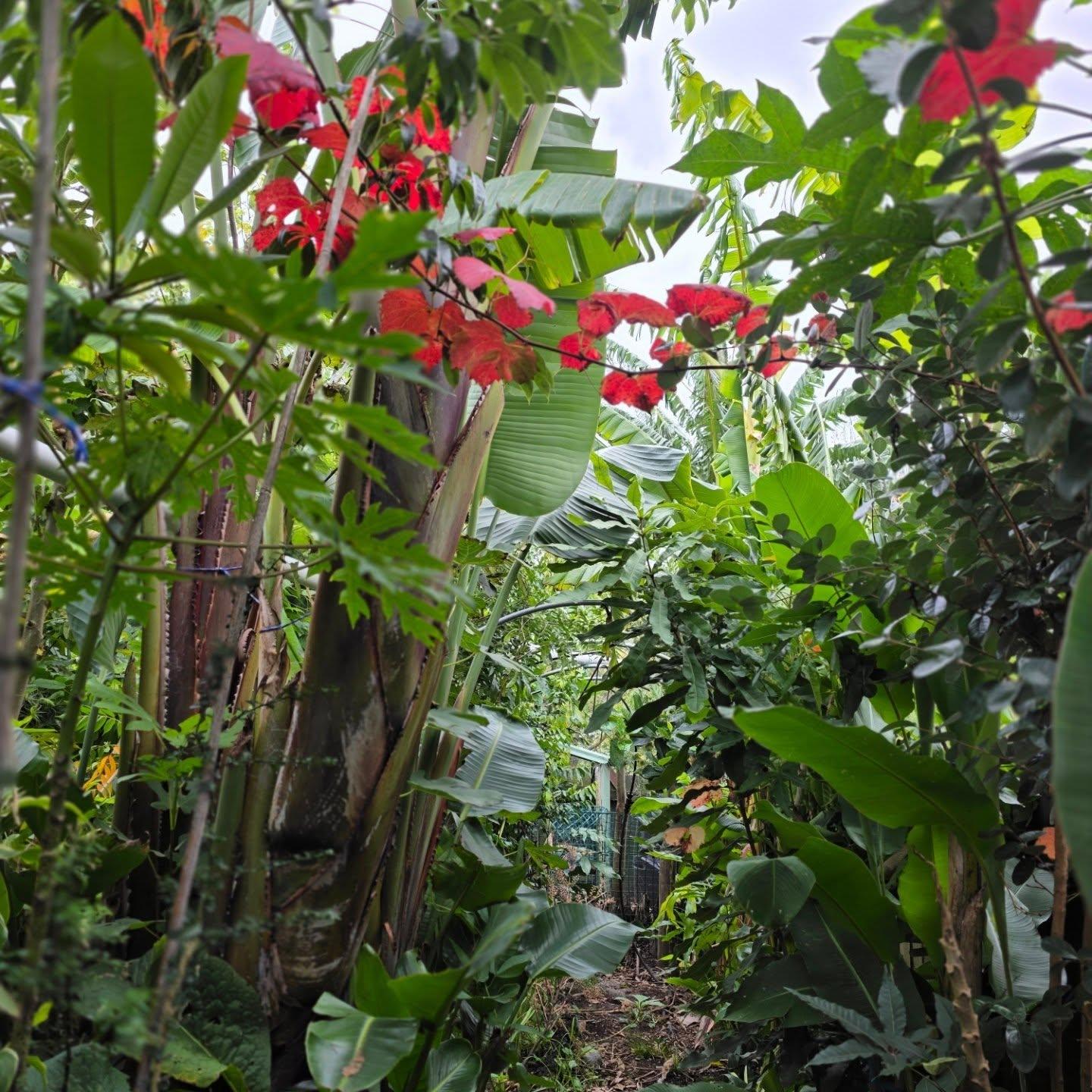
A living wiki for Aotearoa
Educational knowledge drawn from forests that were planted and lived with — layers, plants, guilds and patterns honest about frost, wind and place.
Definition
A food forest is a layered edible ecosystem that grows kai by stacking canopy trees, shrubs, herbs, groundcovers, climbers and root crops so plants shelter, feed and support one another. In Aotearoa New Zealand success depends less on a map region and more on local frost risk, wind, rainfall, slope and soil — a Bay of Plenty avocado guild will not copy-paste onto a frosty inland terrace.
Some of us first met layered food as childhood ordinary — fruit, shade and understorey as one place to play and eat, long before diagrams had names. Later came the hard work of establishing a forest on Samoan ground: spacing that failed, wet seasons that taught faster than books, harvests that arrived only after patience.
That craft continues now in Te Puke at Troppo, an urban tropical food forest you can walk. This wiki is the teaching layer beside it — for whānau gardens, school edges and community plantings across Aotearoa, with frost and wind named plainly instead of wished away.
The story behind the wiki
Core ideas, layers and how edible ecosystems differ from single-crop gardens.
Explore
Profiles for productive and support plants suited to New Zealand conditions.
Explore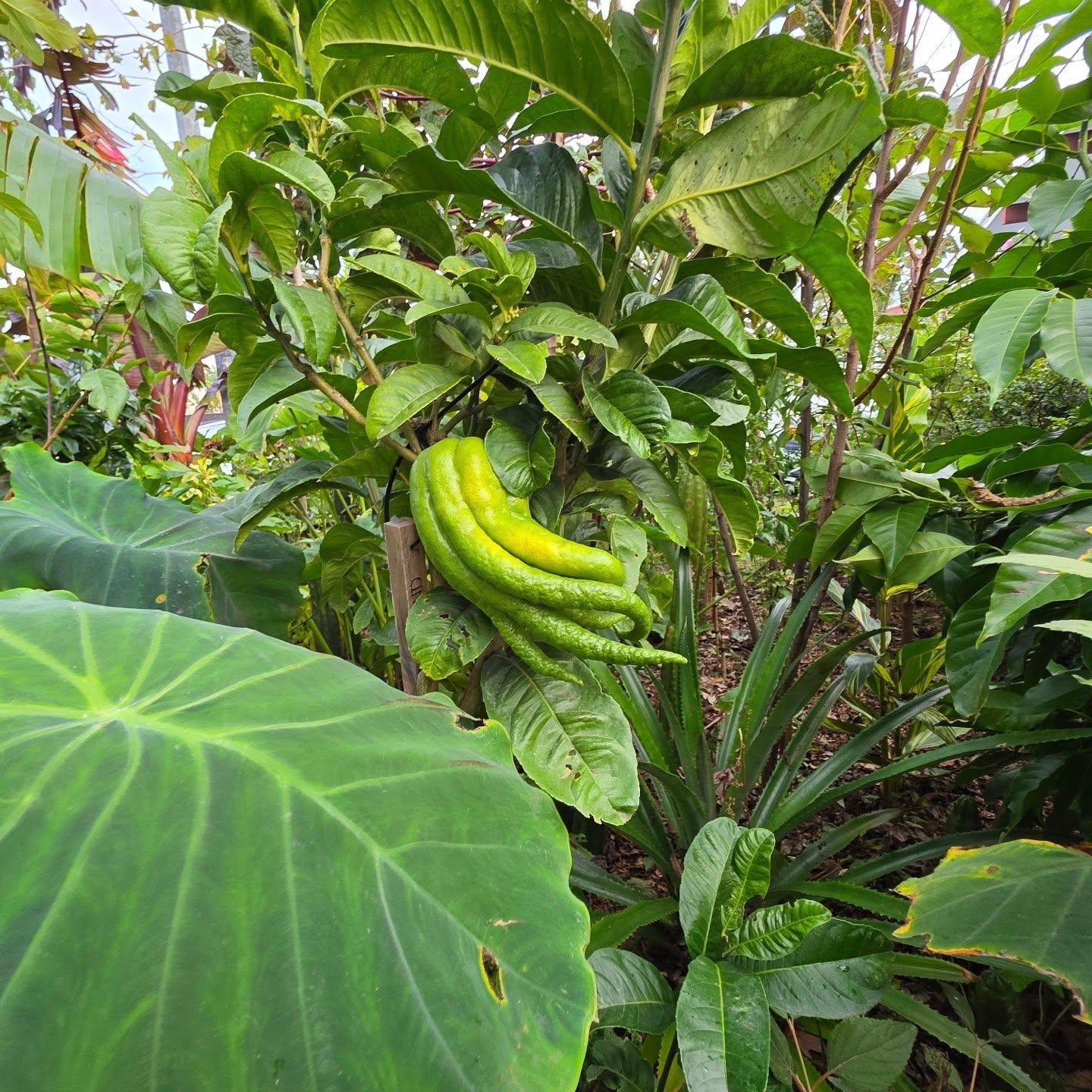
Plant combinations that share space, fertility work and microclimate benefits.
Explore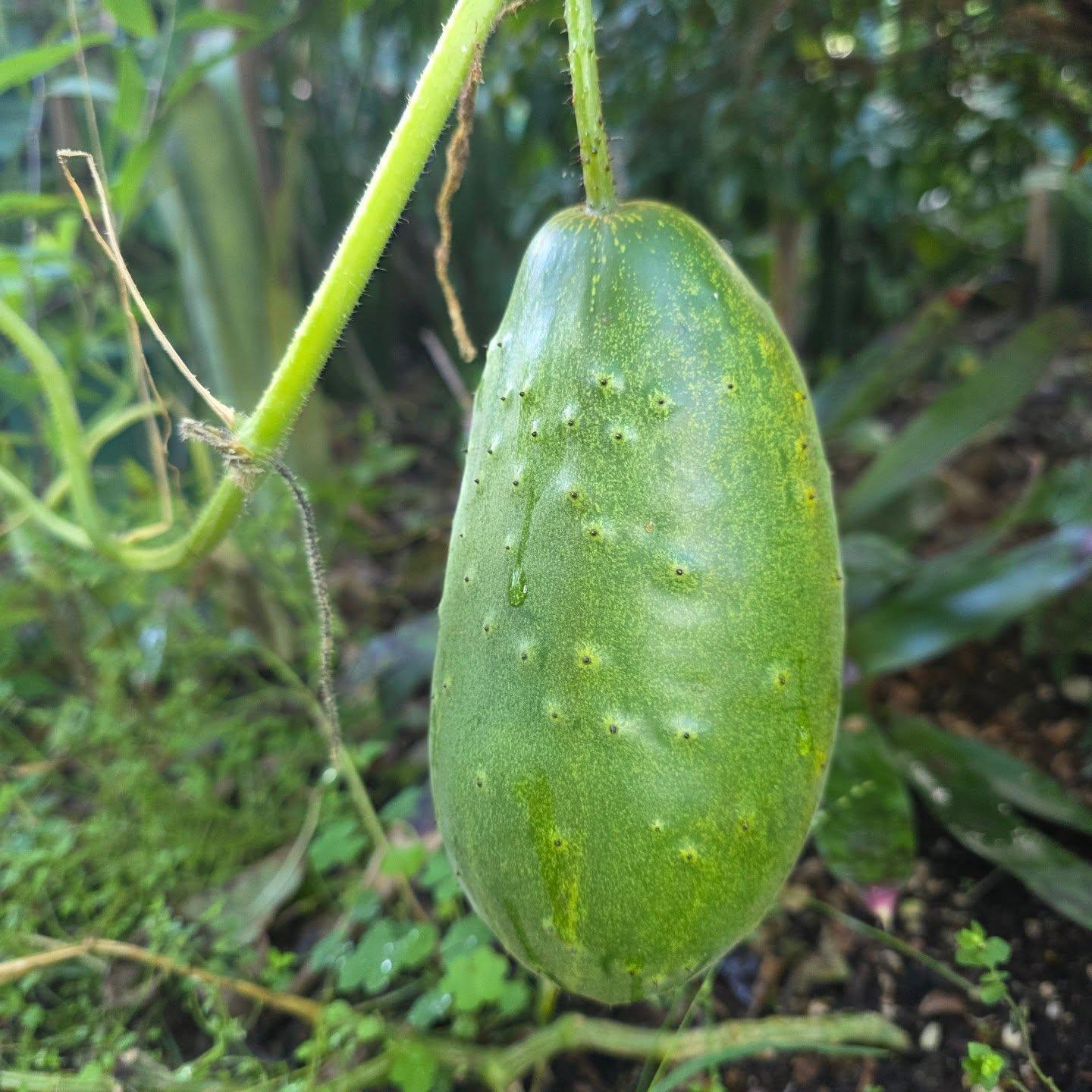
Reusable layouts for suburban sections, slopes, boundaries and orchard conversions.
Explore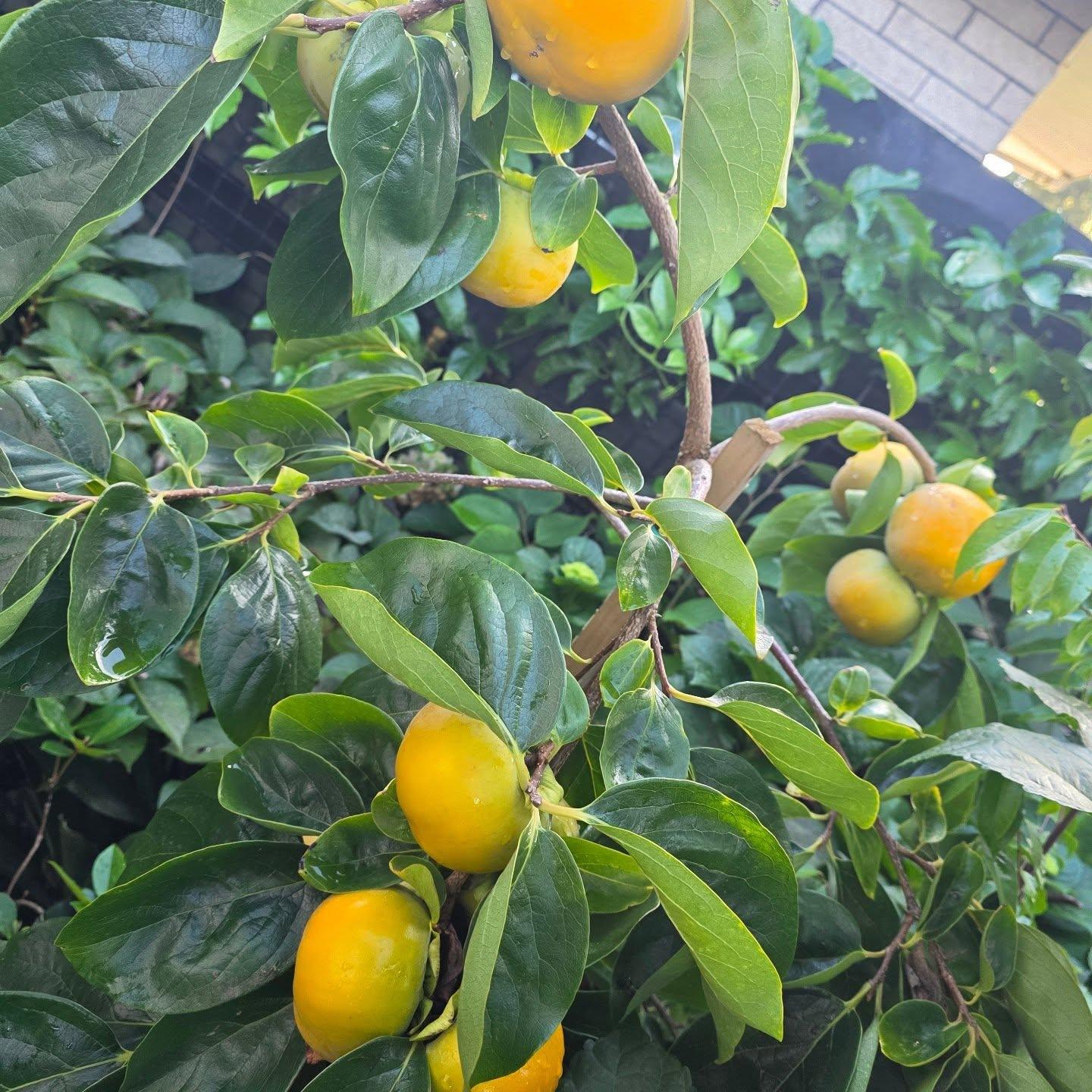
Site assessment, phased planting and fertility practices that build over seasons.
Explore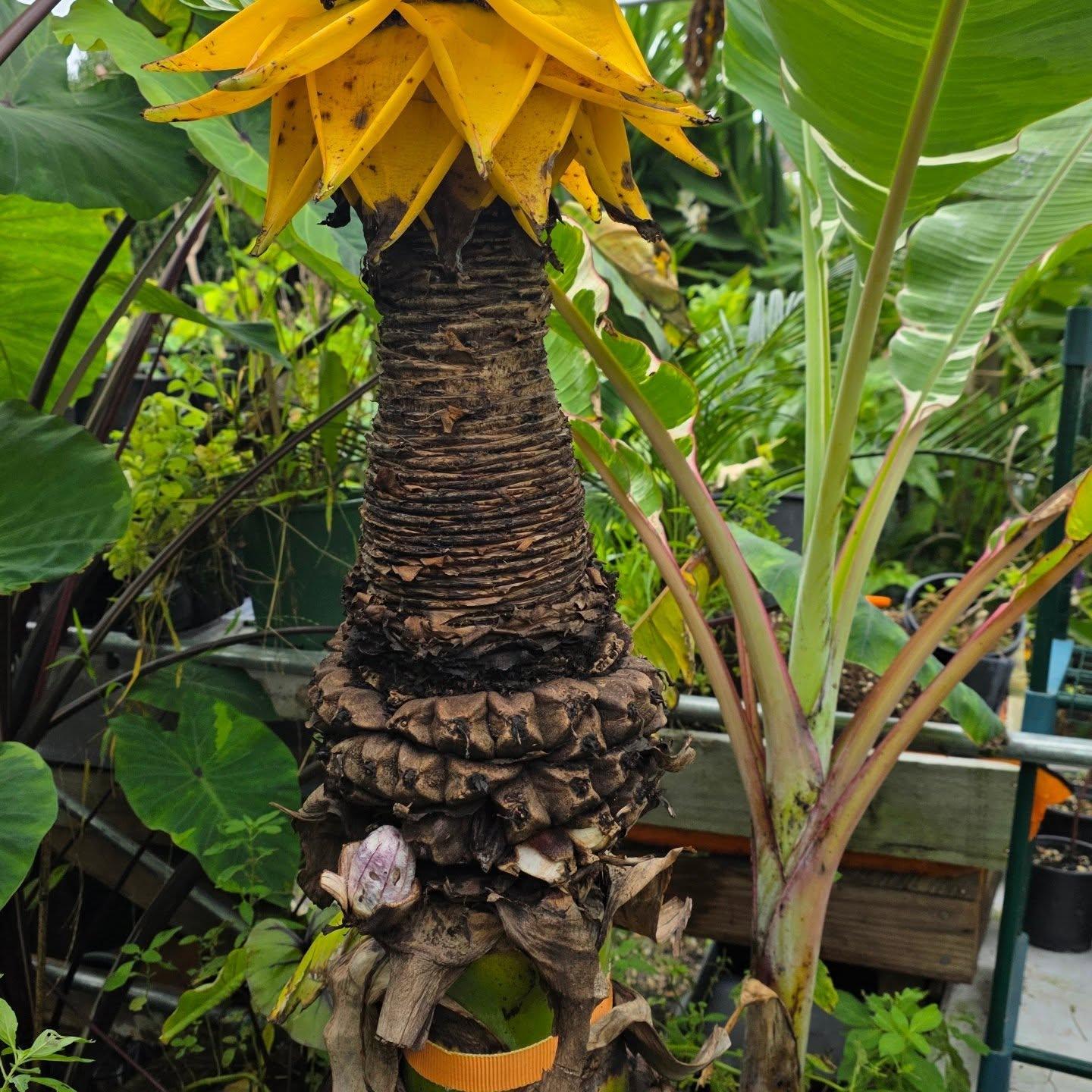
Curated tools, organisations, datasets and further reading with NZ relevance.
ExploreTall fruit and shelter trees that set the upper structure and shade pattern.
Smaller trees such as citrus occupying light gaps beneath or beside canopy.
Feijoa, berries and nitrogen-fixing shrubs for food and structure.
Comfrey, herbs and soft plants grown for kai, mulch or insect forage.
Living mulches that protect soil and suppress bare ground.
Crops and plants using soil volume — including moist-niche roots like taro.
Vines on trees, fences or supports where light and structure allow.
Soil life turning litter into fertility — supported by mulch and care.
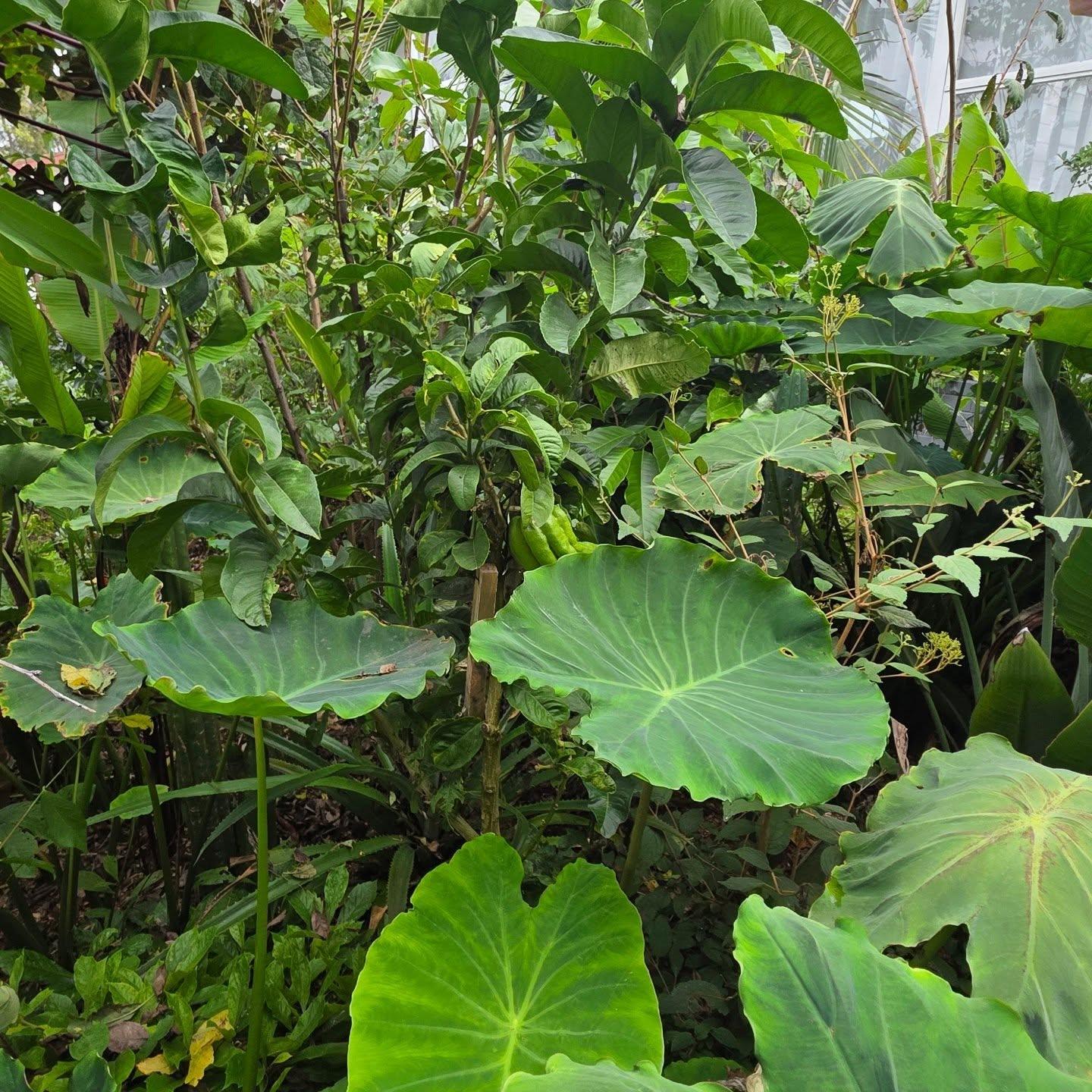
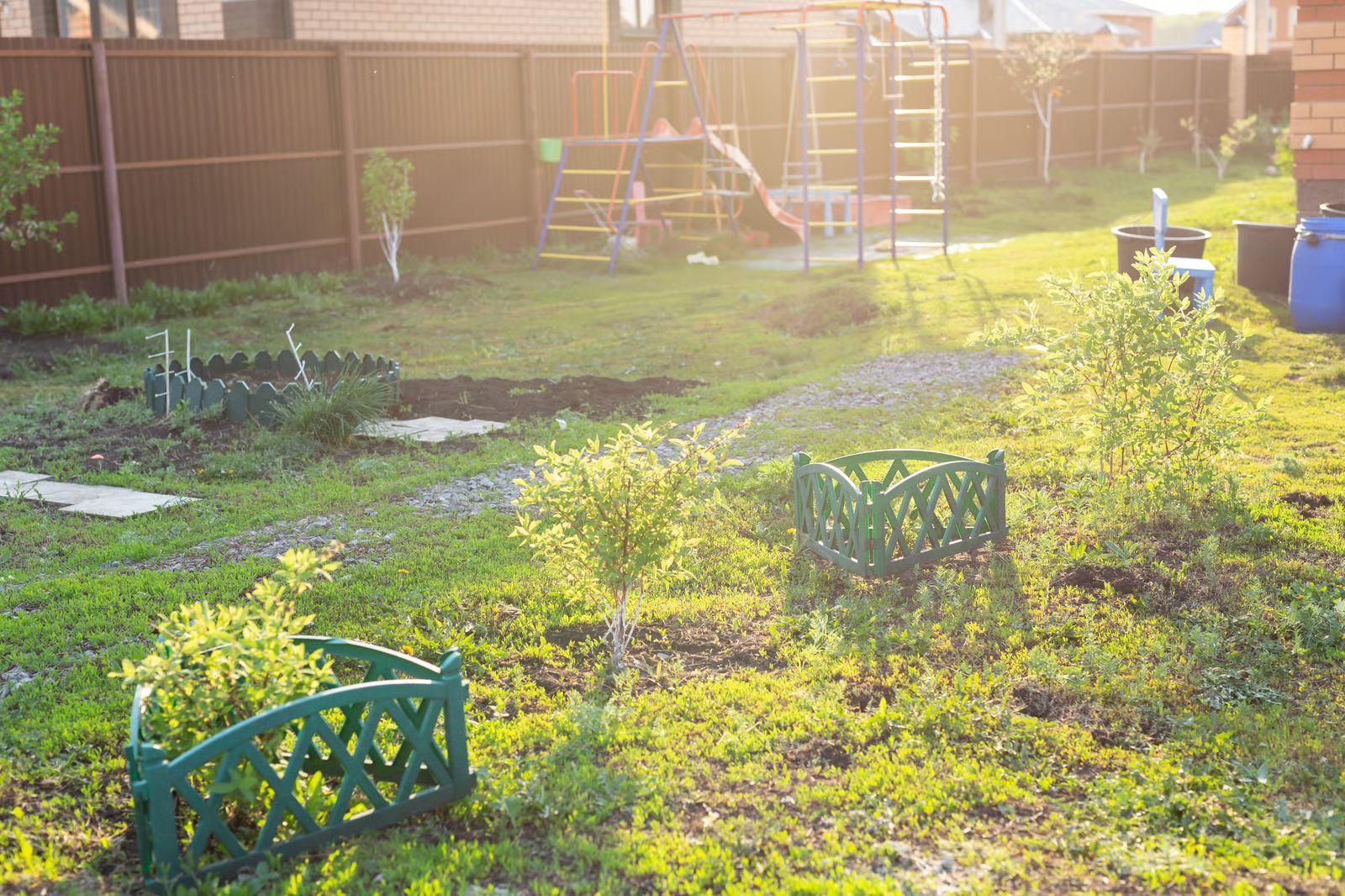
Layers are a design lens learnt from forests that already work — not a shopping list. On a small suburban section you may never need tall canopy.
Herbaceous layer
Symphytum × uplandicum
Shrub layer
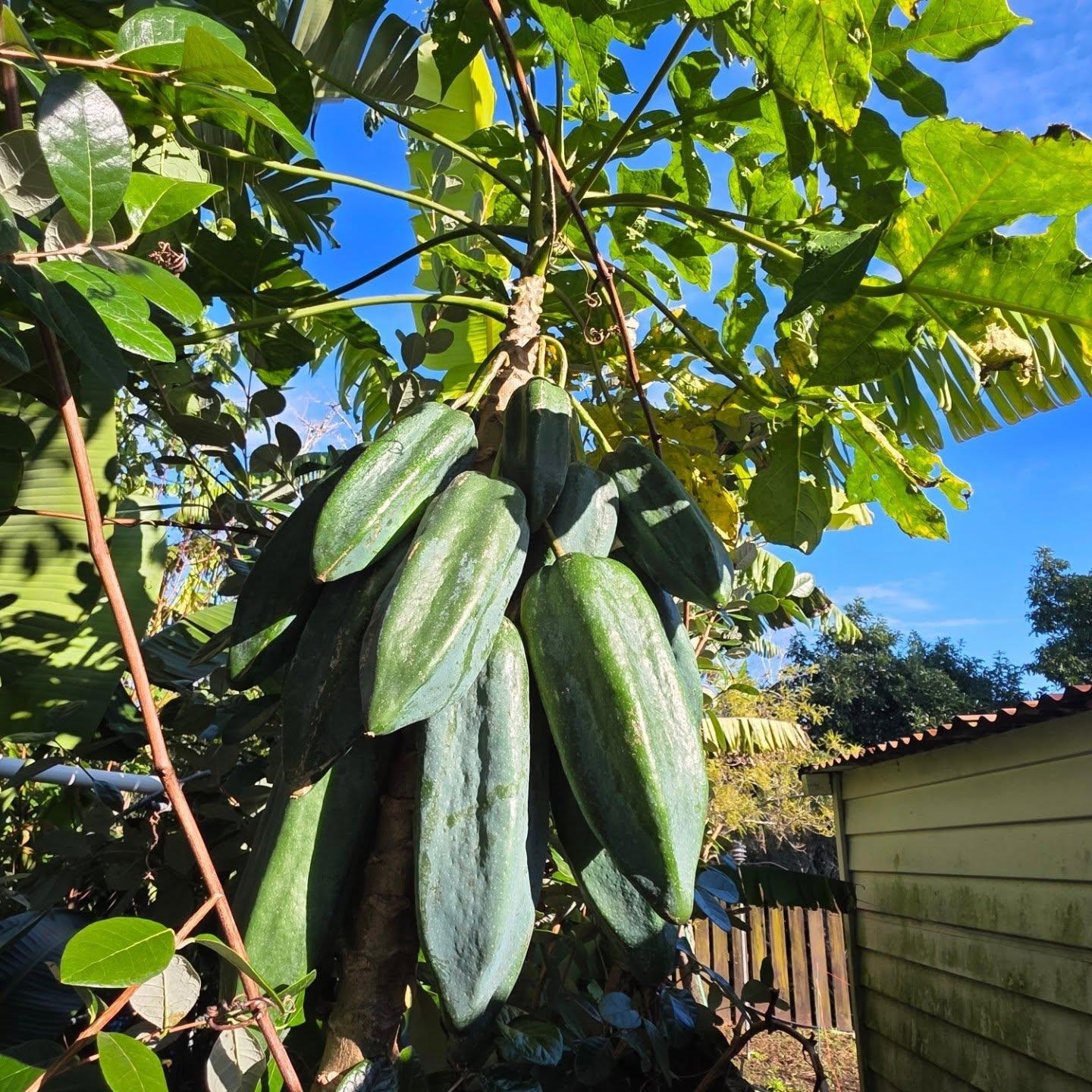
Vaccinium corymbosum / V. ashei
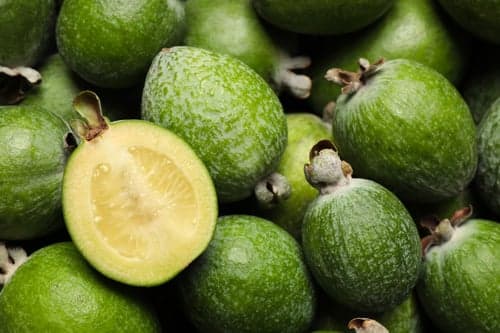
Shrub layer
Acca sellowiana
Featured guild
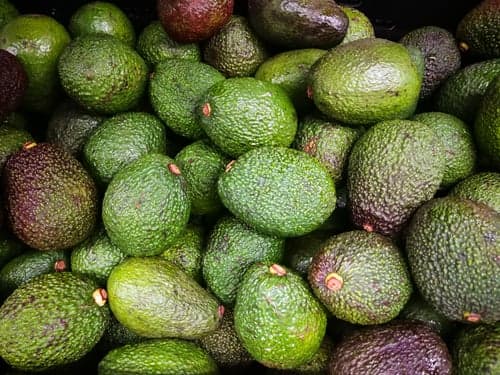
A layered planting around avocado that builds fertility, covers soil and softens microclimate using pigeon pea, comfrey, taro, nasturtium and flowering herbs.
Avocado provides canopy fruit and shade. Pigeon pea fixes nitrogen and nurses the young tree. Comfrey supplies chop-and-drop mulch. Taro occupies a damper niche. Nasturtium and flowering herbs cover soil and invite insects. Together they soften microclimate while the avocado establishes — provided drainage, frost risk and wind are honestly assessed.
View guild profileTropical practice teaches abundance; Aotearoa teaches limits. Browse by region if it helps — then trust local frost, wind, rainfall, slope and soil more than any label on a map.
Warmer pockets with longer growing seasons — still watch frost hollows and wind.
Productive coastal and inland gardens; shelter and drainage shape avocado and citrus success.
Reliable shrubs like feijoa often outperform tender canopy species without microclimate care.
Shorter seasons and stronger frost risk — choose tough layers and proven local species.
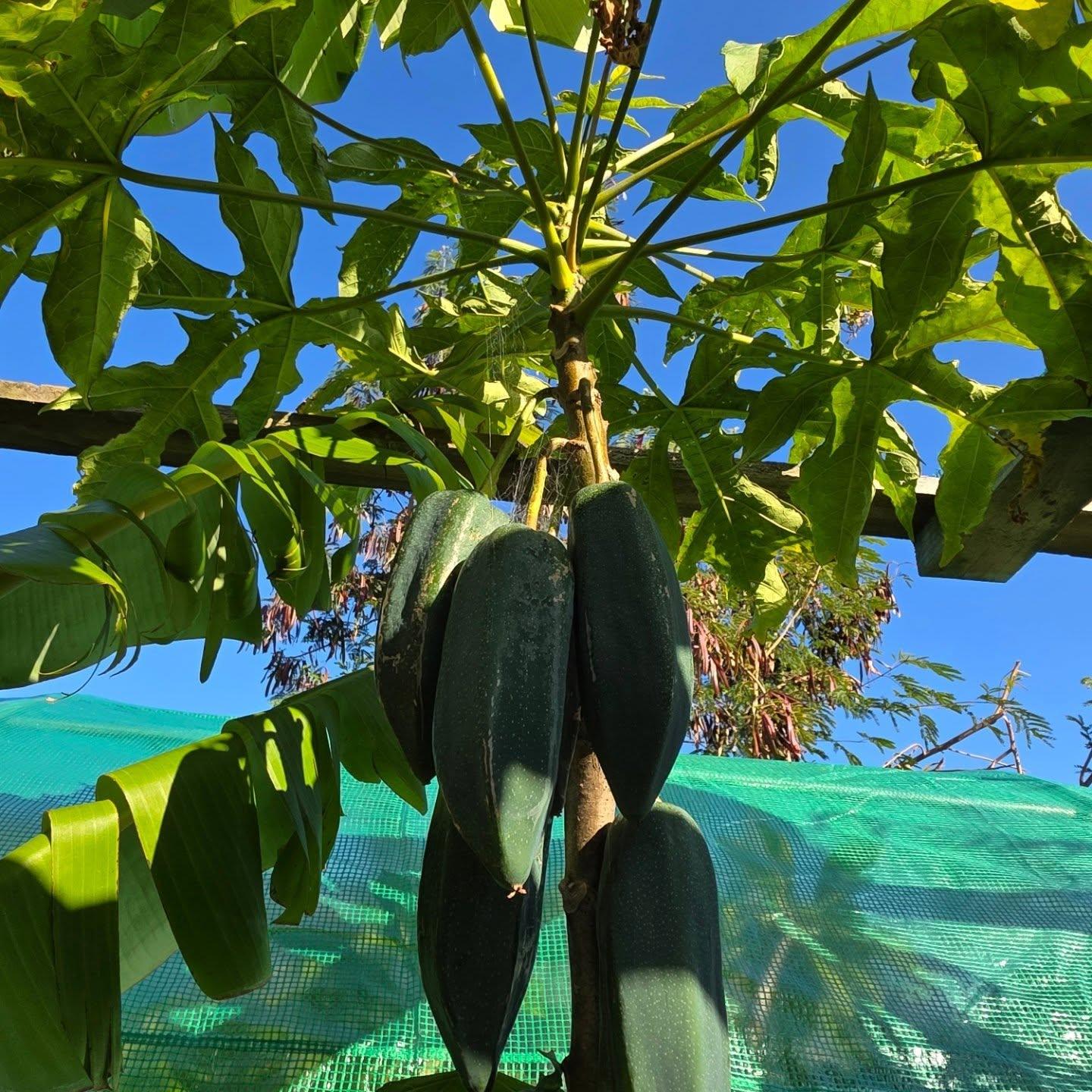
13 min · beginner
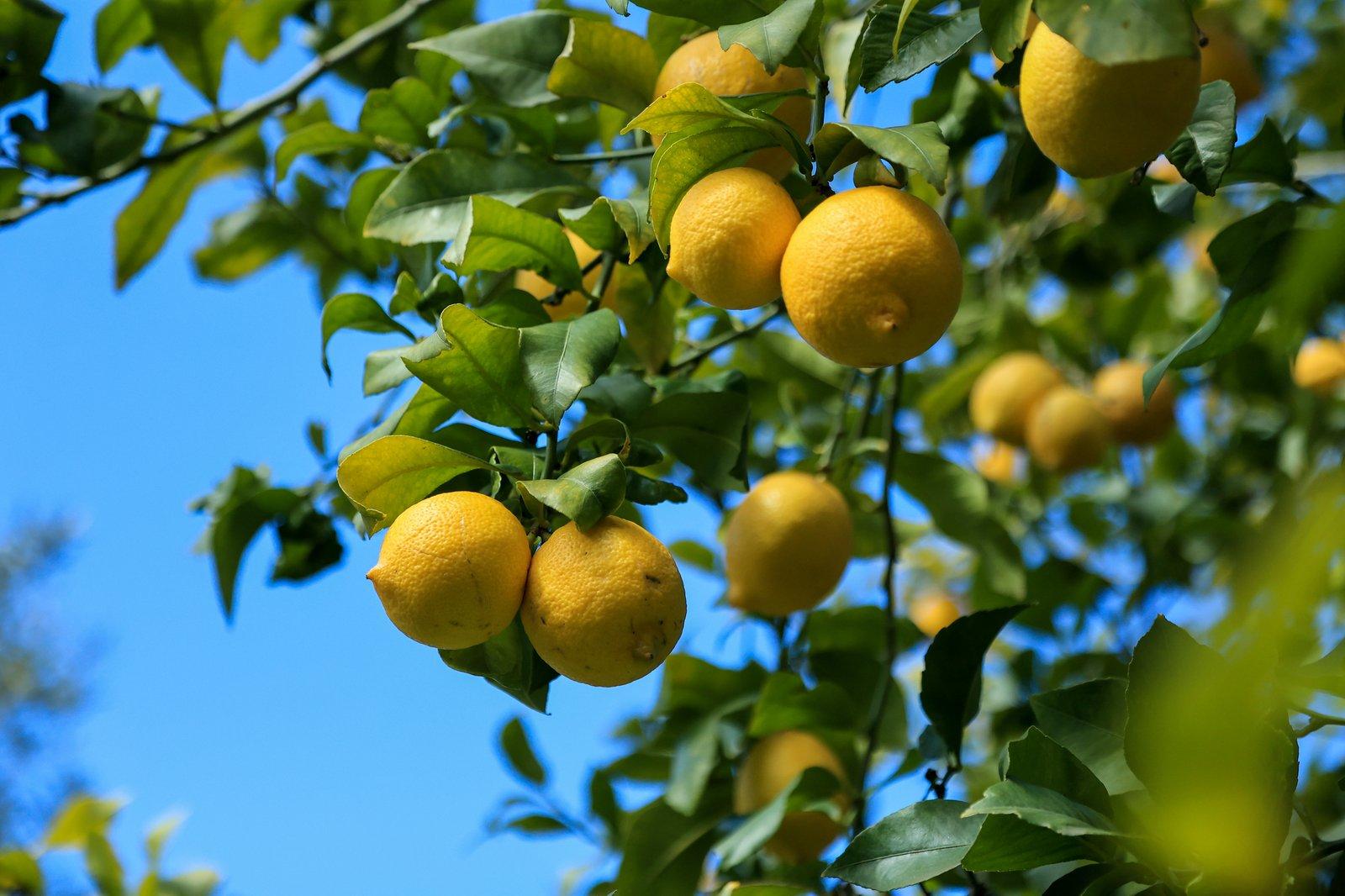
How to build real layered food forests in frosty and cool-temperate NZ districts without relying on subtropical fantasy species.
14 min · intermediate
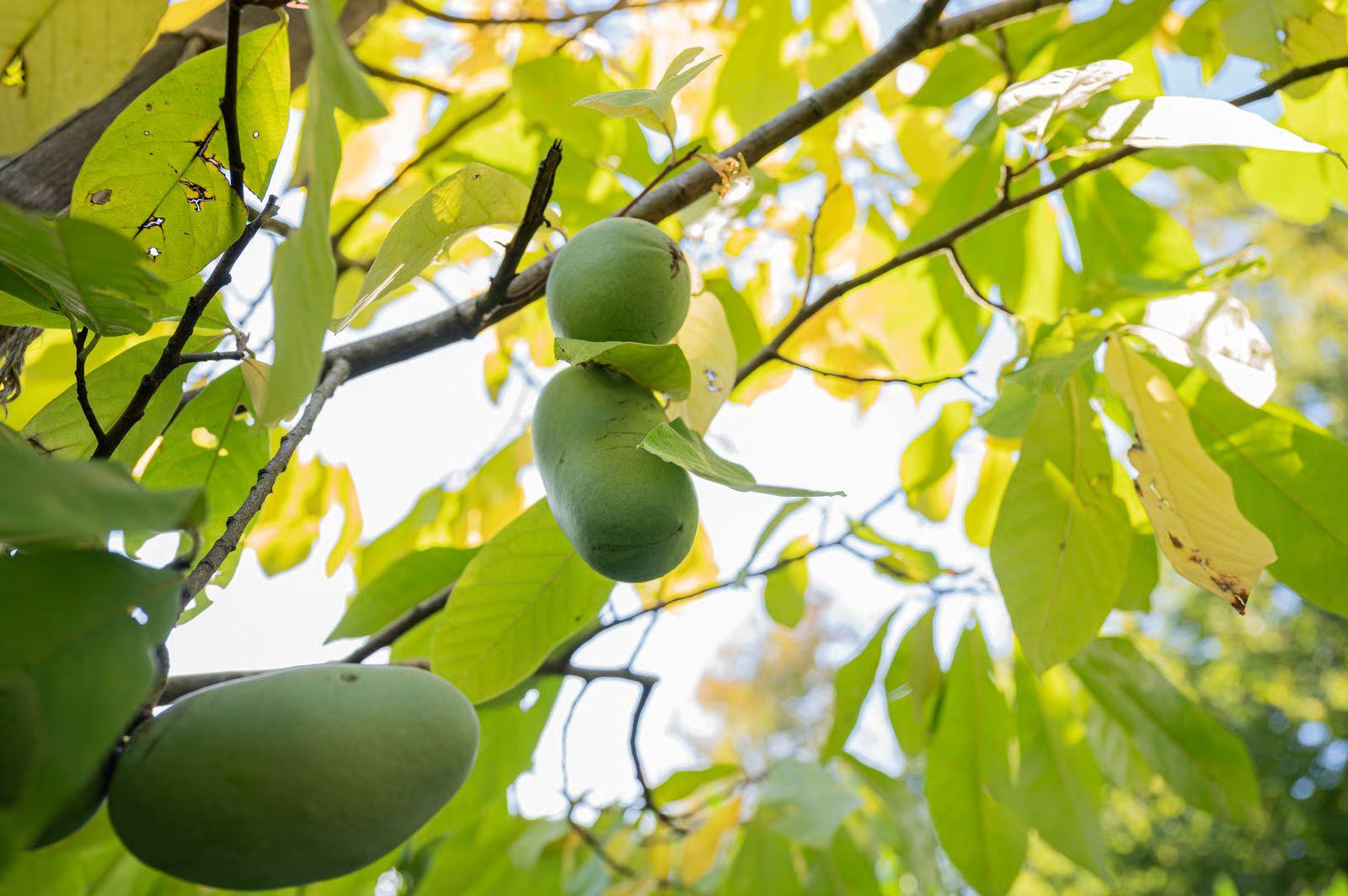
How to use warm-climate opportunities in Northland and the Bay of Plenty while staying honest about wind, frost, drainage and labour.
15 min · beginner
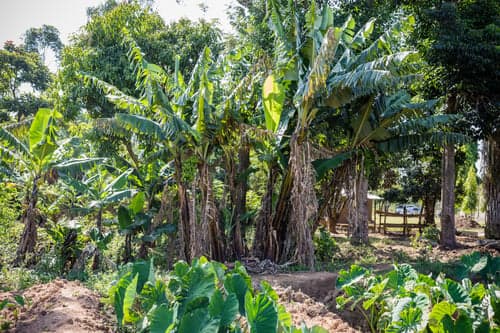
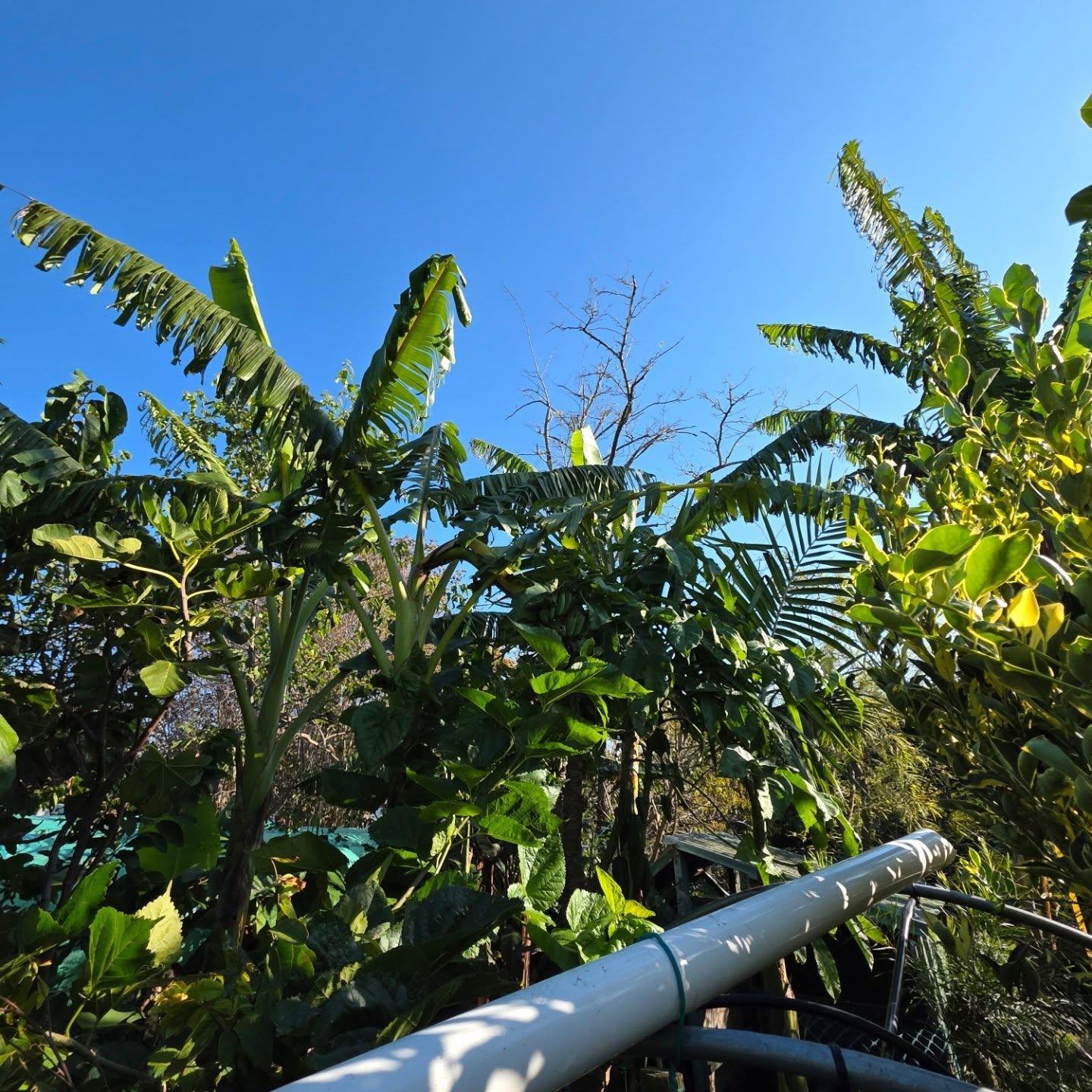
How canopy, low trees, shrubs, herbs, groundcovers, roots, climbers and decomposers work together without overcrowding a New Zealand garden.
14 min · beginner
A practical Aotearoa introduction to food forests as layered edible ecosystems, with honest limits around climate, labour and site observation.
13 min · beginner
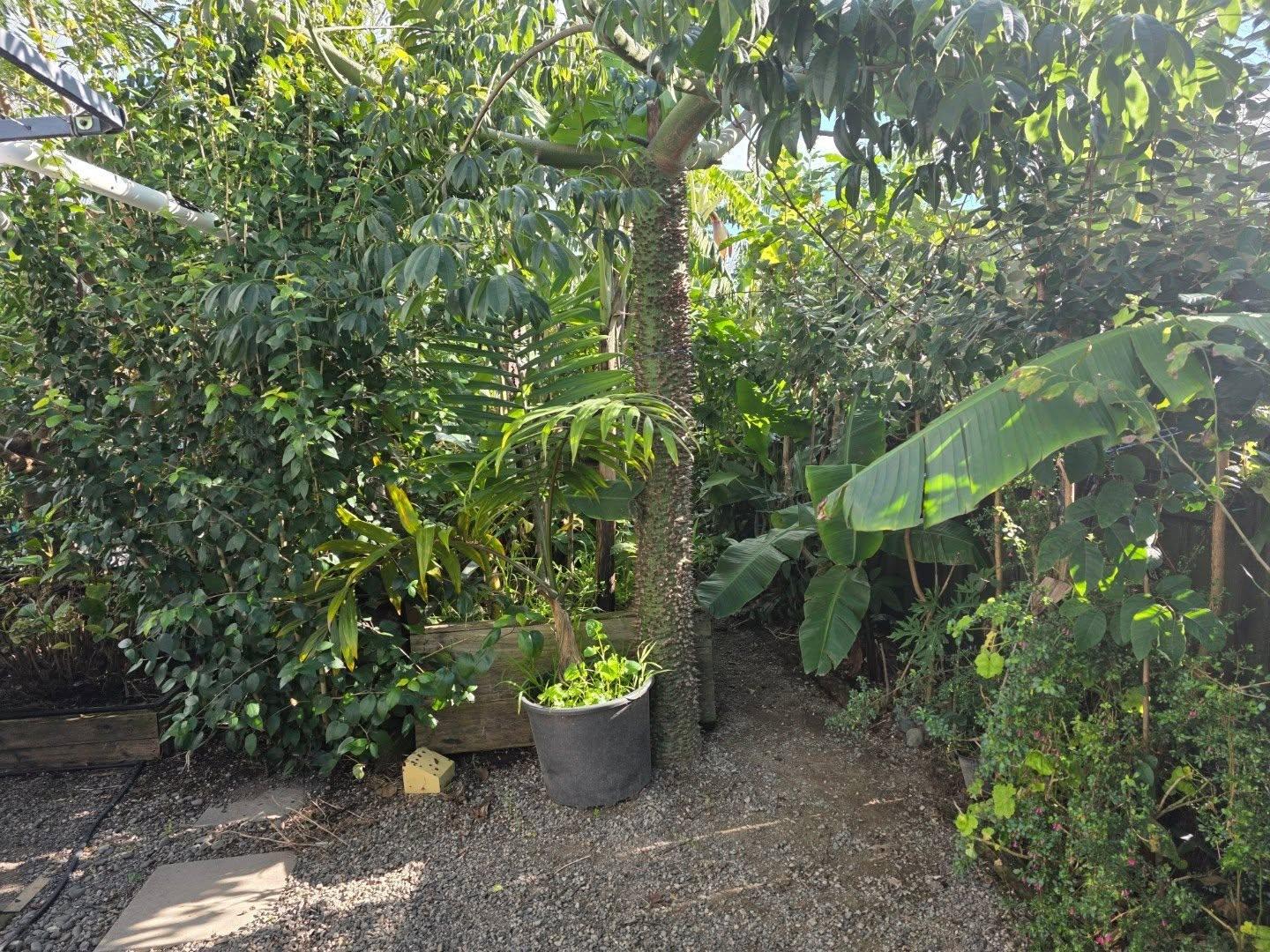
Cleaning boots, tools, pots, and machinery between sites while understanding wider landscape weeds for Aotearoa food-forest growers, with practical steps, cautions, and climate-honest design notes.
12 min · beginner
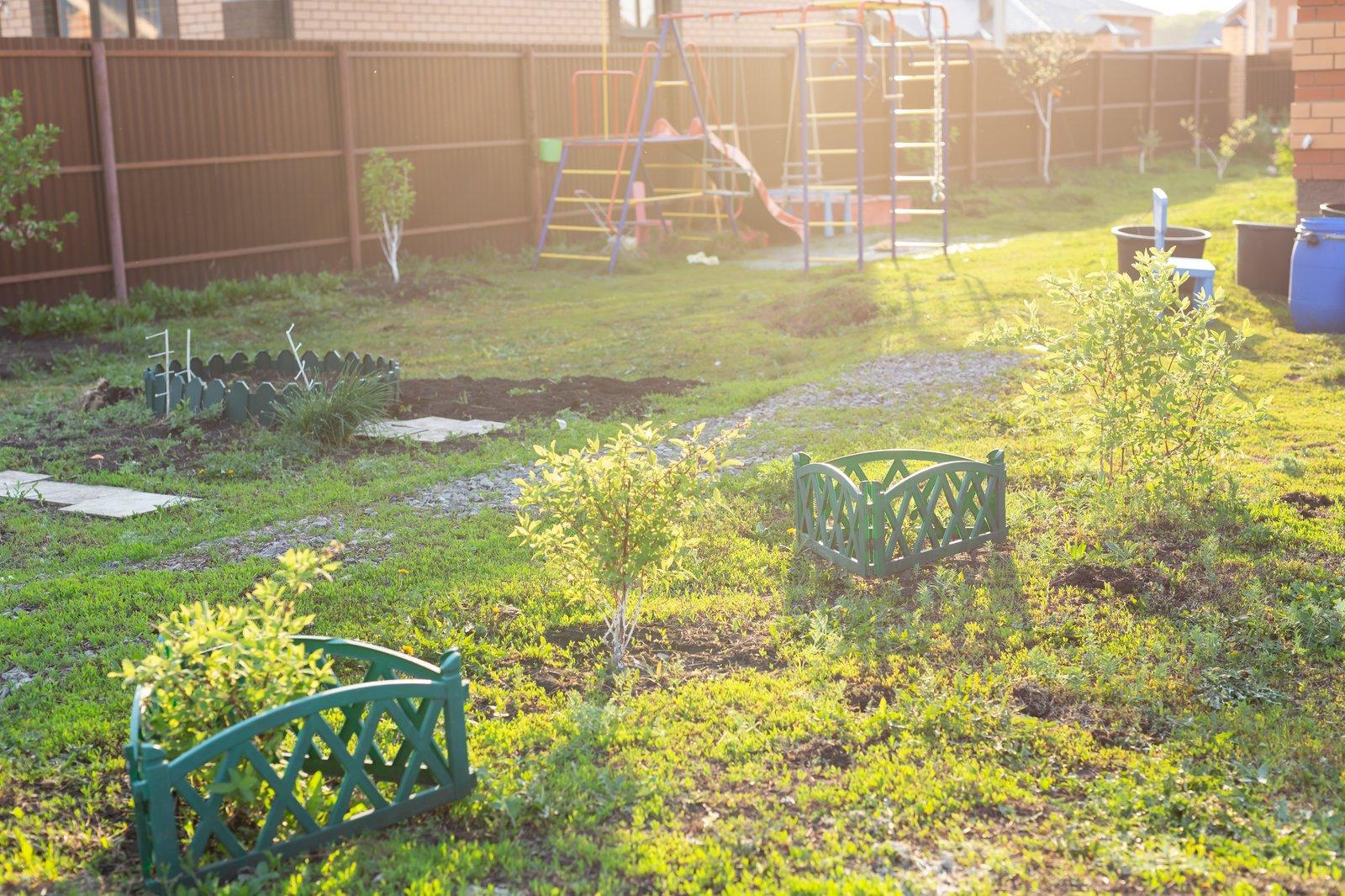
Choosing food-forest species without creating ecological or legal problems for Aotearoa food-forest growers, with practical steps, cautions, and climate-honest design notes.
21 min · beginner
Understanding why myrtle rust matters around feijoa relatives, native planting, nurseries, and garden hygiene for Aotearoa food-forest growers, with practical steps, cautions, and climate-honest design notes.
22 min · beginner
Respecting kiwifruit biosecurity in regions like te puke while growing home climbers responsibly for Aotearoa food-forest growers, with practical steps, cautions, and climate-honest design notes.
Short, quotable answers for growers and answer engines. For depth, open the linked guides and plant profiles.
A food forest is a multi-layered edible ecosystem designed to produce food while mimicking forest structure. It typically includes canopy and low trees, shrubs, herbaceous plants, groundcovers, root crops and climbers that share space, build soil and create microclimates. It is intentional design — not a wild thicket and not a single-crop orchard.
Common layers are canopy, low-tree, shrub, herbaceous, groundcover, root and climber, with fungi and decomposers supporting the soil. Counts vary in teaching models (often seven to nine). Use layers as a design lens: a small suburban section may never need a tall canopy.
Yes. Many Aotearoa food forests start as narrow boundaries, side yards or phased conversions of lawn and existing orchards. Begin with site assessment, one or two reliable productive species for your microclimate, mulch and soil care, then add support plants. Labour and light usually limit scale more than land area alone.
Very. Regional labels such as subtropical Northland or Bay of Plenty are starting points only. Cold air drains downhill, coastal wind and salt spray change what survives, and inland frost pockets can kill tender canopy species. Observe neighbours, shelter and drainage before planting expensive trees.
foodforest.org.nz is the educational wiki — guides, plants, guilds and patterns written to be studied and revised. Food Forests NZ is where growers gather. Troppo is the working urban forest in Te Puke you can walk through today. The wiki exists so lessons from dirt travel further than one plot; free tools sit on the Kai Resilience hub. All connect through Vector Group Charitable Trust (CC45966).
Use the collective grower tools hub at kairesilience.food/tools for the Orchard & Food Forest Planner, Companion Planting Matrix, Continuous Harvests calendar, layer visualiser and related Troppo tools. Individual tools may also deep-link on *.troppo.nz hosts.
Looking for people or a plot to walk? Visit Food Forests NZ, the urban forest at Troppo, or free tools on Kai Resilience /tools.
foodforest.org.nz is one door in a wider Vector Group Charitable Trust ecosystem — kai sites, free grower tools, Bay of Plenty regional platforms, resilience companions, and community Facebook channels. This site stays focused on food forest knowledge.
Living sites, community and learning in the kai resilience cluster.
Canonical hub first — then deep links into the Troppo suite.
Regional gateway and infrastructure that carry authority into Te Puke and the kiwifruit capital.
VGCT everyday-resilience apps — Tiny Steps and Home Steps are live; Food Steps (kai companion) is next.
Social funnels that feed the same network — pages and groups.
Read a guide, sketch a guild, or send a correction when ground truth on your section beats what we wrote — living knowledge stays useful only when growers keep sharpening it.