
15 min read · Updated 1 September 2024 · beginner
Understanding the seven layers
How canopy, low trees, shrubs, herbs, groundcovers, roots, climbers and decomposers work together without overcrowding a New Zealand garden.
Layers are a lens, not a shopping list
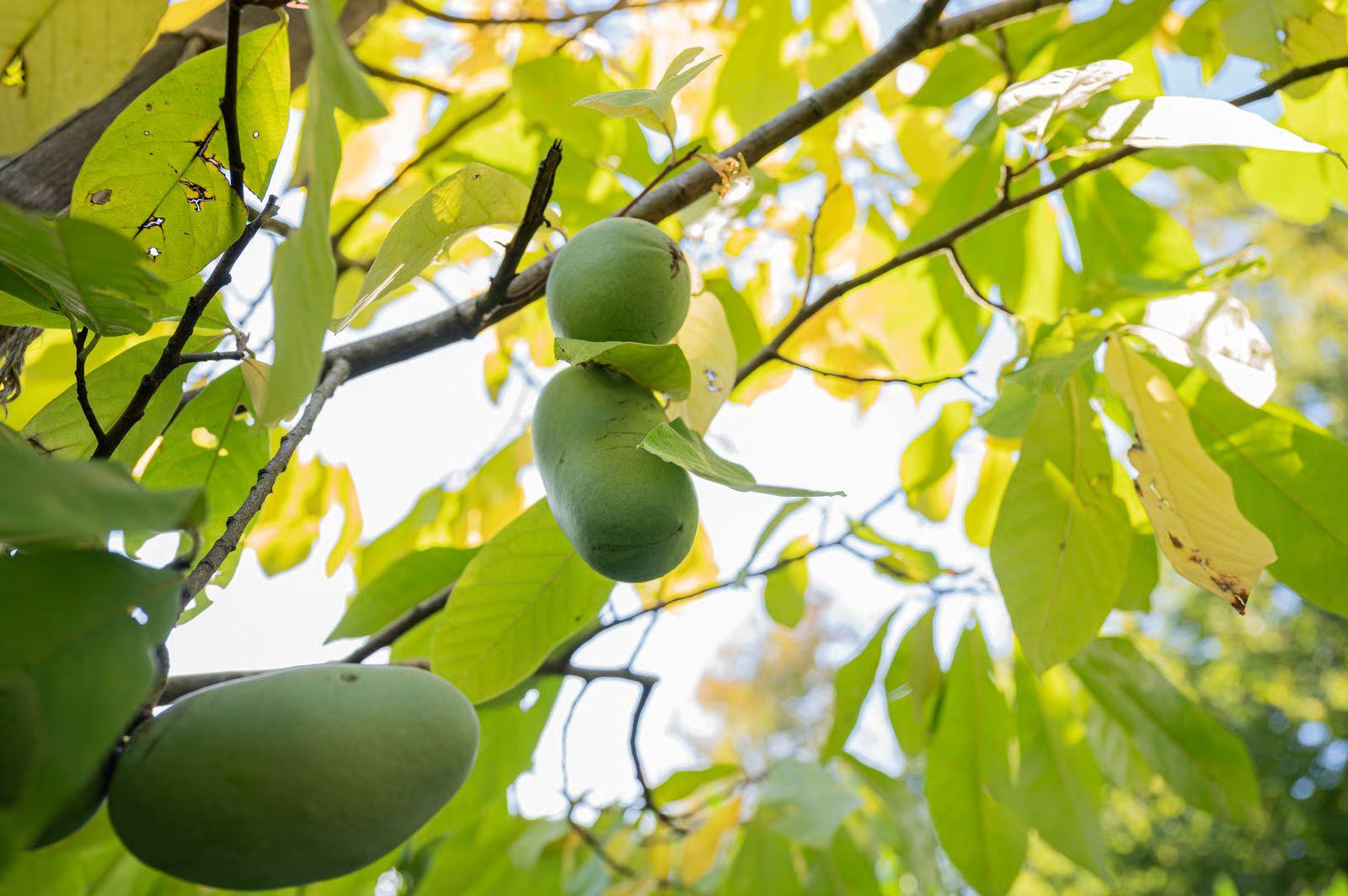
The seven-layer model is one of the easiest ways to understand food forests. It helps you see vertical space: tall trees above, shrubs and herbs below, living groundcover at your feet, roots underground, climbers using supports, and decomposers recycling fallen material.
The mistake is treating the layers as a compulsory list. A narrow side yard may never need a canopy tree. A frosty courtyard may use low citrus in pots, herbs and climbers without pretending to be a forest. A school garden may deliberately avoid thorny or high-maintenance plants even if a diagram says there is room.
In Aotearoa, layers must be filtered through frost, wind, rainfall, slope, soil and labour. The layers give you questions. The site gives you answers.
Canopy layer
The canopy layer is the tallest productive structure. In warm sheltered sites this might include avocado. In other places it may be a managed nut or fruit tree once those plant profiles are available. On a small section, canopy is a commitment: shade, roots, wind exposure, fruit drop and pruning all become long-term realities.
Do not add canopy just to satisfy a food forest diagram. Read choosing a canopy tree first. If your garden is only 80 square metres, one canopy or no canopy may be the best design.
Low-tree layer
The low-tree layer includes smaller fruit trees and large shrubs. Lemon and mandarin fit here in warm, sheltered, free-draining pockets. Feijoa often behaves as a shrub or small tree and is one of the most useful NZ food forest plants because it tolerates more cold and wind than many subtropical species.
Low trees are often the backbone of suburban food forests. They provide harvest without overwhelming the section. They also let more winter sun reach understorey plants than a dense high canopy.
Shrub layer
Shrubs give structure, fruit, shelter and habitat. Feijoa hedges, berry bushes where suited, and nitrogen-fixing nurse shrubs can all live here. Pigeon pea is useful in warm North Island pockets, but it is frost tender and should be treated as a temporary nurse or seasonal biomass plant in marginal sites.
Shrubs can be overused. A mixed boundary may look generous on paper, but without pruning it can shade paths, annoy neighbours and reduce fruiting wood. Link shrub choices to patterns like narrow boundary planting and windbreak shelter edge.
Herbaceous layer
The herbaceous layer is soft, leafy and often cuttable. Comfrey is the classic food forest example. It produces leaves for chop-and-drop, flowers for bees and soil cover. It also has persistent roots, so place it deliberately and keep it away from trunks and places you need to dig later.
Herbs, leafy perennials and seasonal plants can make the food forest feel alive early, while trees are still small. They also teach timing: cut before they smother young plants, leave some flowers for insects, and use biomass where it helps.
Groundcover layer
Groundcovers protect soil from sun, rain impact and weed pressure. Nasturtium is useful because it is fast, edible and easy to pull back when needed. Living mulch is not a reason to abandon woodchip or compost. In establishment years, physical mulch and living cover usually work together.
Keep groundcovers honest. Around young trunks, maintain a clear collar so bark stays dry and visible. Around seedlings, thin vigorous groundcovers before they smother small plants.
Root layer
Root and rhizome crops occupy underground and lower-light niches. Taro can work in warm, damp, frost-managed pockets, especially in patterns like a taro moist niche guild or banana circle biomass pocket. It is not a universal root crop for dry, cold or waterlogged sites.
The root layer reminds you that soil volume is already occupied. Too many woody roots, aggressive perennials and annual digging beds in the same place create conflict.
Climber layer
Climbers use fences, pergolas, trellises or trees. They can produce heavily in small spaces, but they also add weight, shade and maintenance. Do not let climbers strangle young fruit trees or tear down light fences. Put climbers on dedicated supports unless you know exactly how the host tree will handle them.
Fungi and decomposers
Many models list seven layers, but decomposers are the hidden engine. Soil fungi, bacteria, worms and invertebrates turn mulch and litter into plant-available fertility. You encourage them by keeping soil covered, reducing unnecessary digging, avoiding contaminated mulch, and returning clean biomass to the ground.
Light is the limiting layer
The most common small-garden failure is too much shade. Every layer competes for light. Dense evergreen canopy can make the herb and groundcover layers weak and damp. Good food forest management includes pruning for light, not just planting for diversity.
Use the free Kai Resilience grower tools to think through spacing and canopy spread before planting. A layered garden is not measured by how many species fit on day one. It is measured by whether those species still have light, air, water and harvest access in year five.
References
- Food forest layer models — Layer counts vary. Use them as a design lens, not a rigid checklist.