
14 min read · Updated 25 August 2024 · intermediate
Subtropical Bay of Plenty and Northland food forests
How to use warm-climate opportunities in Northland and the Bay of Plenty while staying honest about wind, frost, drainage and labour.
Warm regions still need design discipline
Northland, Auckland pockets and the Bay of Plenty give food forest growers a broader palette than many cooler districts. Avocado, banana, taro, pigeon pea and citrus may all be possible in the right microclimate. This is exciting, but it also tempts people into overplanting tender species before the site is ready.
Subtropical does not mean frost-free. It does not mean wind-free. It does not mean every slope drains well. The best warm-climate food forests are not jungles of wishful planting. They are carefully staged systems that put shelter, drainage and access before the showpiece canopy.
The big four limits: wind, frost, drainage and labour
Wind is the most visible failure. Banana leaves shred, avocado flush burns, citrus drops flowers and young trees lean before roots are established. Use wind and shelter for food forests and the windbreak shelter edge pattern before planting expensive tender trees.
Frost is quieter and more local. A coastal or Te Puke address can still include a cold hollow. Tender trees belong on protected rises, warm walls and well-drained positions, not the lowest wet patch.
Drainage is especially important for avocado and citrus. Avocado roots dislike waterlogging. A subtropical avocado guild works only when the avocado is on free-draining ground and wet-loving plants such as taro are placed in separate moist niches.
Labour is the hidden limit. Fast-growing subtropical gardens produce biomass, suckers, vines and pruning jobs. If you will not chop, thin, mulch and open light, the food forest becomes a thicket.
Useful warm-climate guilds
The subtropical avocado guild combines avocado with pigeon pea, comfrey, nasturtium and moist-niche planting where drainage allows. It is not a cure for poor siting. It assumes avocado already belongs there.
The banana circle guild and banana circle biomass pocket are best treated as biomass and moisture systems first. Fruit is a bonus unless local bananas already crop reliably. Place bananas on a raised rim, keep organic matter in the basin, and give overflow somewhere to go.
The taro moist niche guild is a lesson in separation. Taro wants moisture. Avocado wants drainage. The design job is to create nearby but different water zones, not drown one plant to please another.
The pigeon pea nurse guild is useful in warm establishment years. It provides nitrogen-fixing biomass and light shelter, then gets chopped back or removed as fruit trees take over.
Citrus as reliable everyday kai
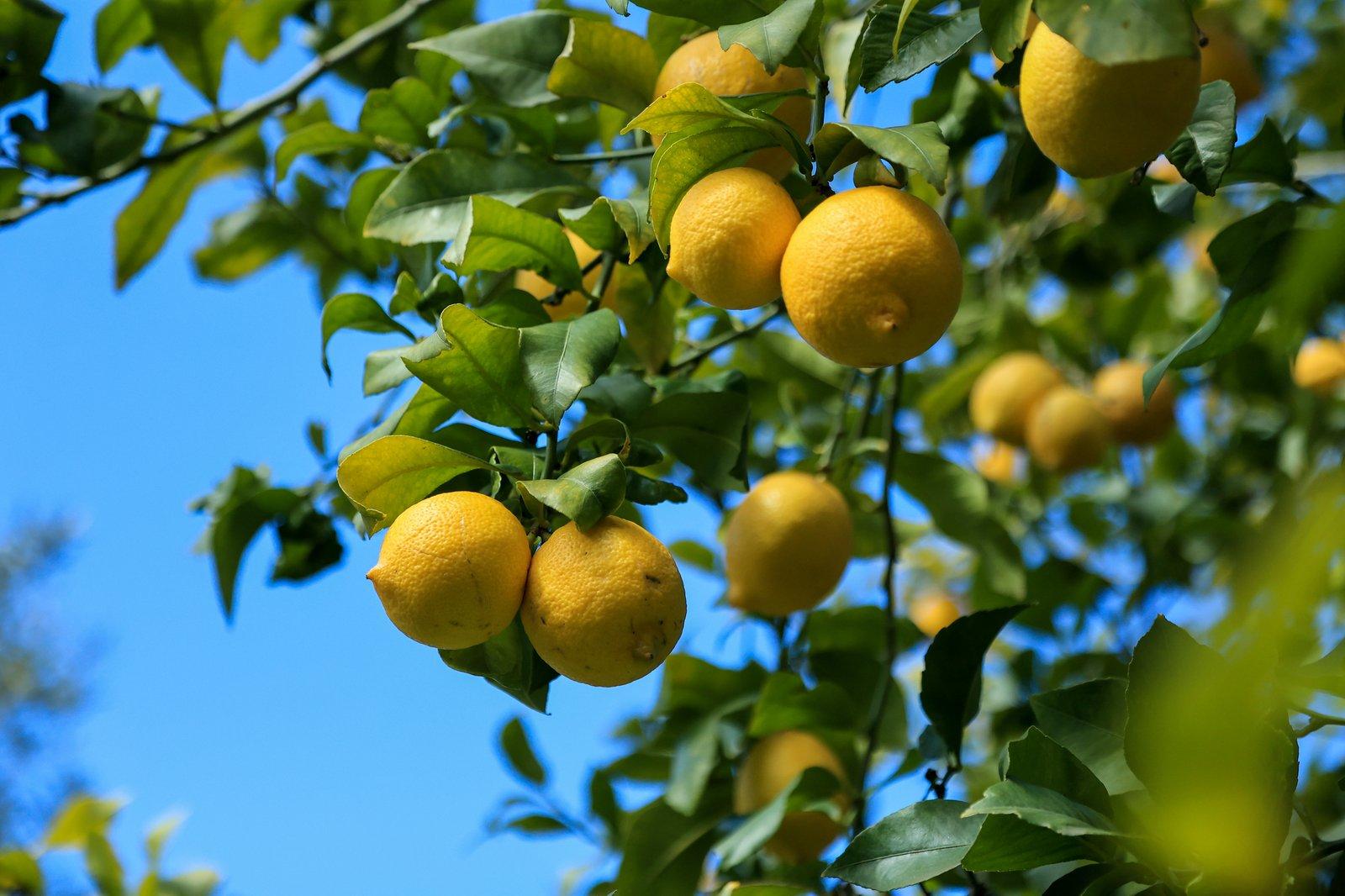
Warm food forest discussions often jump to avocado and banana, but lemon and mandarin may be more useful household kai. They fit small gardens, can be pruned to reachable size and combine well with comfrey and nasturtium in the citrus support guild.
Keep citrus airy. Dense understorey against trunks can increase humidity and pest pressure. Mulch wide, keep collars clear, prune for light, and watch scale or sooty mould without panic.
Slope can help or hurt
Many Bay of Plenty and Northland sites are sloping. Slope can drain cold air and excess water, which helps subtropical species. It can also dry out, erode and expose plants to wind. The subtropical slope pattern puts tender canopy in the better-drained, warmer positions and moisture plants in lower pockets.
Do not build swales or basins that hold water against avocado trunks. Water harvesting is useful only when matched to plant needs.
Planning before planting
Warm-climate planting can get expensive quickly. Before buying trees, map mature spread, shade, wind, frost lines, water flow and access. Use the free Kai Resilience grower tools to test spacing and think through canopy layers. Cross-check with how to assess your site and water and drainage.
Warm-climate establishment rhythm
In warm districts, growth can be fast enough to create its own problems. Schedule chops, sucker thinning, path clearing and canopy checks before the wet warm season gets away. Banana leaves, pigeon pea stems and comfrey cuts can become excellent mulch, but only if you can reach them and place them cleanly.
Warm sites also need dry-season planning. A lush spring food forest can become stressed by late-summer drought, especially on slopes or sandy coastal soils. Deep mulch, shaded soil, water access and early shelter reduce that stress. Do not assume high rainfall means no summer watering in establishment years.
Public claims need local proof
If you are building a demonstration site, label subtropical experiments honestly. Say "trial", "warm pocket", "biomass first" or "fruit where proven" when that is the truth. This protects visitors from copying a plant into the wrong district and helps the site become a learning garden rather than a catalogue of promises.
For home growers, the same honesty applies in the notebook. Mark which plants are proven staples and which are trials, then protect the staples first when time, mulch or water is limited.
Editorial note: subtropical claims in NZ need local proof. A plant that survives in one sheltered Te Puke garden may fail two streets away in wind or cold air. Treat living examples as inspiration, then let your site decide the final plant list.
References
- Troppo subtropical demonstration context — A Te Puke living reference; microclimates still vary within the region.
- Kai Resilience grower tools — Use tools for spacing and planning warm-climate guilds.