
13 min read · Updated 16 February 2025 · intermediate
Choosing a canopy tree
How to pick upper-layer trees for NZ sites, balancing fruit, shade, wind, frost, drainage, mature size and long-term labour.
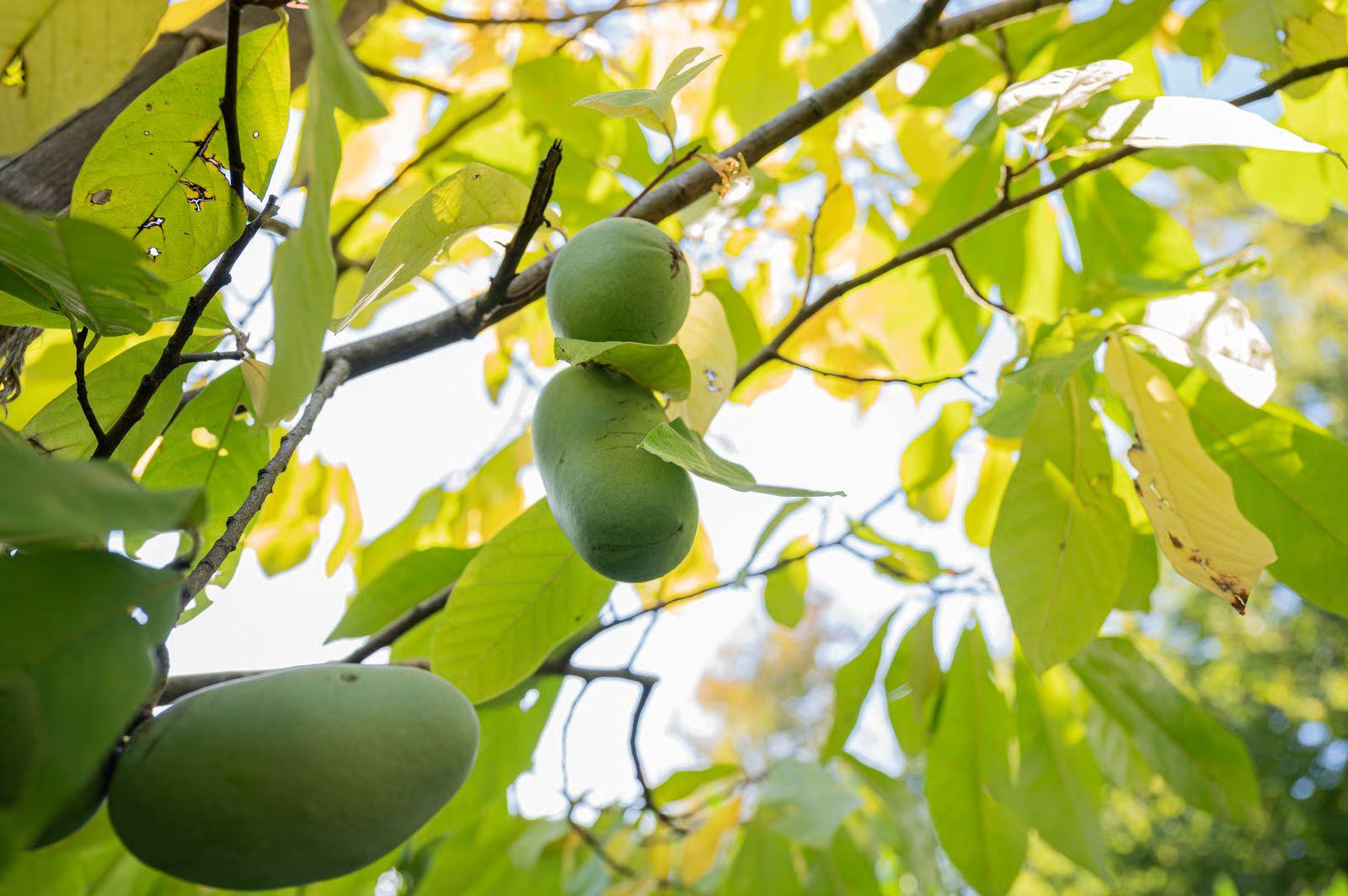
Canopy is a long-term decision
The canopy tree is the upper structure of a food forest. It changes light, wind, root competition, leaf litter, harvest access and the entire feel of the garden. In a small suburban site, the decision to plant one canopy tree can be more important than the choice of ten herbs.
Canopy is also optional. A food forest does not fail because it uses low trees and shrubs instead of a tall crown. Many NZ home gardens are better served by feijoa, citrus and support layers than by squeezing in a large tree that will shade the house, neighbour or vegetable beds.
Start with mature size, not nursery size
Young trees are persuasive because they are small. Mature trees are the reality. Ask how tall and wide the tree becomes in your soil and climate, how it responds to pruning, how roots behave, where fruit will fall, and whether you can harvest safely.
Avocado can be a canopy anchor in warm sheltered sites, but it is not a small shrub. It needs room, drainage, wind protection and thoughtful pruning. Tagasaste can grow quickly and provide nurse shelter, but it should often be reduced or removed as permanent plants establish. Feijoa may act as a tall shrub or low tree and is often more appropriate than a full canopy on small sites.
Match climate first
Before asking what you want, ask what the site proves. Does the tree already thrive nearby? Are mature examples cropping in gardens with similar wind and frost? Does your exact spot receive cold air drainage? Is the soil free-draining enough?
Avocado belongs only where frost and wet feet are manageable. Banana is not a canopy tree botanically, but it can behave as upper herbaceous biomass in warm pockets; it should not be the main structure in frosty gardens. Citrus fits the low-tree layer, often more reliably than subtropical canopy. Cool climates should read cool-climate food forests and the frost-prone productive garden pattern.
Decide the canopy job
A canopy tree may provide fruit, shade, leaf litter, shelter, beauty, habitat, privacy or a teaching feature. Rank those jobs. If fruit is the main goal, choose a tree with proven local cropping. If shelter is the main goal, a dedicated windbreak shelter edge may be better than making a fruit tree do storm work. If summer shade is the goal, place it where winter sun is not stolen from the house or understorey.
The job determines the species and position. It also determines what should be planted underneath.
Check drainage and root needs
Some canopy candidates hate wet feet. Avocado is the obvious example. Do not plant it in a clay bowl, a wet hollow or the middle of a banana circle basin. If you want a taro moist niche guild nearby, keep the wet niche separate from the avocado root crown.
On slopes, use the subtropical slope pattern: free-draining mid-slope or mound positions for drainage-sensitive trees, lower moist pockets for species that enjoy them, and overflow paths for heavy rain.
Design the understorey after the canopy
The understorey should support the tree, not compete with it. Comfrey belongs near the drip line or path edge, not hard against bark. Nasturtium can cover soil but should be pulled away from young trunks and seedlings. Pigeon pea can nurse warm-climate trees, but it must be chopped before it shades fruiting wood.
The subtropical avocado guild is a good example of roles: avocado as canopy, pigeon pea as temporary nurse, comfrey as cuttable biomass, nasturtium as living mulch, taro only in a separate damp niche.
Plan light from year five backwards
Food forests often look open in year one and crowded in year five. Before planting, imagine the mature crown. Where will winter sun fall? Which plants will be shaded? Will paths stay dry and usable? Can you prune safely? Will neighbours lose light?
Read pruning for light before the tree needs major work. Formative pruning is easier than rescuing a tangled canopy later.
When to choose no canopy
Choose no canopy if the site is too small, too shaded, too windy, too frosty, too close to services, or if the household will not maintain the tree. A food forest made of low trees, shrubs, herbs, groundcovers and climbers can still be productive and layered.
Canopy decision checklist
Before planting, answer these questions in writing: what is the mature height, what is the mature width, what winter shade will it cast, how will it be pruned, where will fruit fall, what will grow underneath, and what happens if the tree doubles the size you imagined? If any answer is vague, delay the purchase and gather local evidence.
For shared or public sites, add two more questions: who is allowed to prune it, and who carries responsibility if it shades a neighbour or blocks access? Canopy trees outlive enthusiasm. Governance matters.
Use the free Kai Resilience grower tools to compare mature spread and spacing. The best canopy tree is not the most exciting species. It is the tree your site, people and future maintenance can carry.
References
- Regional observation — Proven local trees beat catalogue wish lists, especially for frost-sensitive canopy.