
15 min read · Updated 27 April 2025 · intermediate
Water and drainage
Design water movement, drainage, mulch and wet niches so food forest plants get moisture without drowning roots.
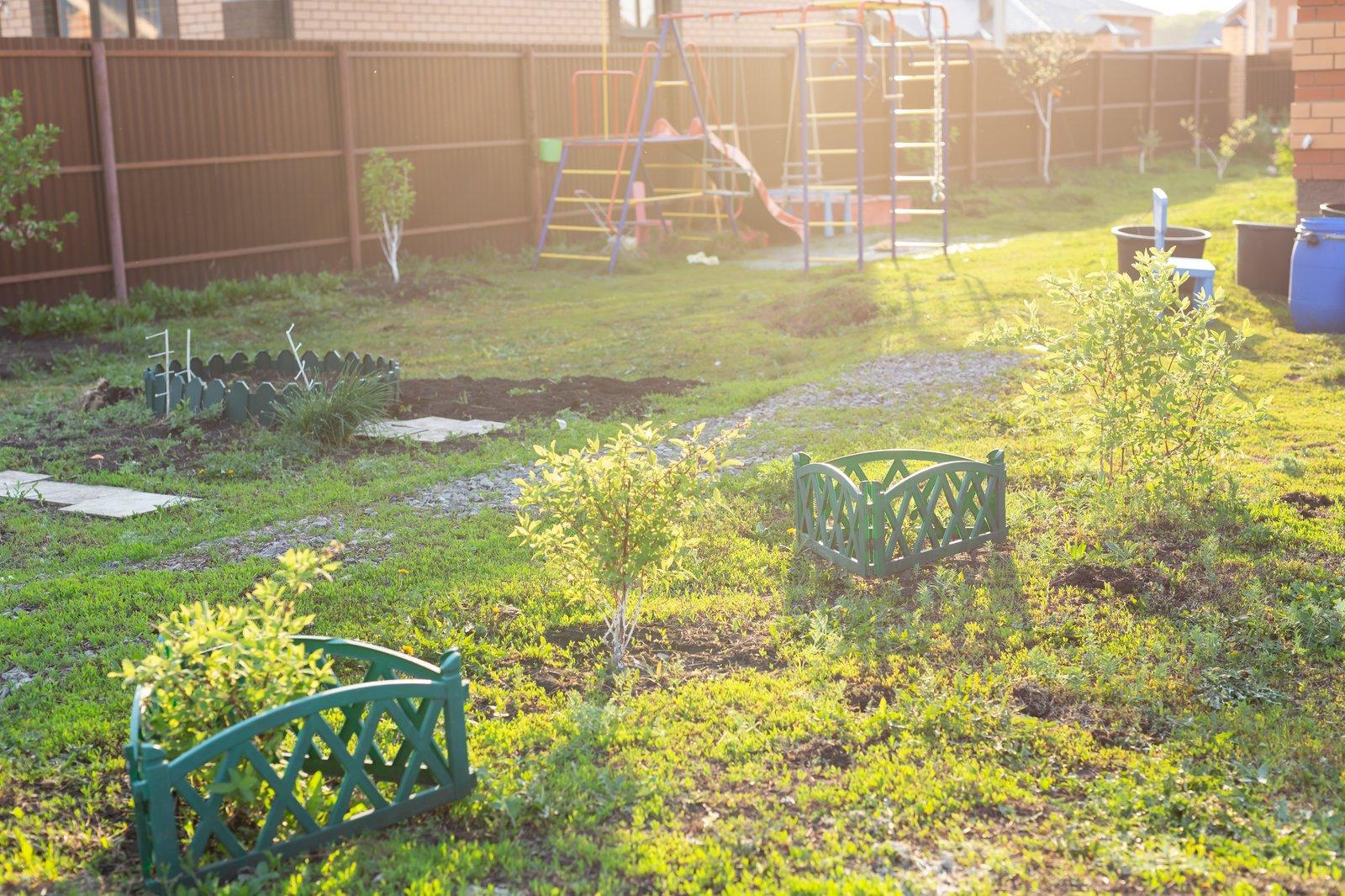
Water design is not just irrigation
Food forests need water, but good water design is about movement, storage, drainage, overflow and timing. Too little water slows establishment. Too much water in the wrong place kills roots. The same garden can have dry fence strips, wet winter hollows, roof rain shadows and compacted lawns that shed water.
Before digging basins or buying irrigation, observe rain. Where does water arrive? Where does it run? Where does it sit? Where is soil dry under eaves even after a storm?
Separate wet-loving and drainage-sensitive plants
The most important rule is simple: do not give every plant the same wetness. Avocado needs free-draining soil. Taro wants a damp, warm niche. Banana likes moisture and organic matter but still needs oxygen in the root zone. Lemon likes steady moisture and drainage, not a swamp.
The taro moist niche guild and subtropical avocado guild show the difference. Keep avocado on a mound or free-draining position. Put taro in a nearby damp pocket only if climate suits. Design overflow so heavy rain does not turn the whole area anaerobic.
Dig test holes
A drainage test can be simple. Dig a hole in several candidate spots. Look at the soil layers. Fill with water and see whether it drains. Smell the soil. Sour, grey, sticky, waterlogged soil tells a different story from crumbly loam. In urban sites, check for rubble, buried plastic and compacted construction layers.
Do not assume the whole section is the same. A former driveway edge, a filled gully, a lawn on clay and a raised garden bed may all behave differently within 20 metres.
Mulch is water storage
Mulch reduces evaporation, softens rain impact, feeds soil life and makes watering more effective. Use clean woodchip, leaves, composted organic matter or other safe local materials. Keep mulch wide and deep enough to matter, but keep it off trunks and crowns.
Wet mulch against bark is a common failure. Use a doughnut shape: clear collar at the trunk, wide mulch across the root zone. See mulch and paths for establishment detail.
Paths control water too
Paths are not just for people. They compact or direct water, catch mulch, and define where feet do not trample root zones. On slopes, contour paths can slow water and make maintenance safer. On flat wet sites, raised paths may shed water into beds or keep access usable in winter.
Design paths before dense planting. Retrofitting barrow access through a young food forest is painful.
Banana circles and basins need overflow
The banana circle guild and banana circle biomass pocket can be useful in warm sites, but a basin is not a stagnant pit. It needs organic matter, moisture, airflow in the soil and overflow for heavy rain.
Only use greywater where legal, appropriate and safe for edible plantings. When unsure, use clean water and rain. Never turn a food forest basin into a disposal hole for contaminated water or diseased material.
Irrigation in establishment years
Young trees and shrubs usually need watering through their first one or two dry summers. Deep, less frequent watering encourages deeper rooting better than constant shallow sprinkles. Drip irrigation or well-placed hose routines can help, but they must be checked. Blocked lines and forgotten timers cause failures too.
Water demand changes as canopy and mulch develop. A dense established bed may hold moisture better, but it may also intercept rainfall before it reaches lower layers. Keep observing.
Winter wet plus summer dry
Many NZ gardens have the difficult combination of winter wet and summer dry. In those sites, drainage and mulch both matter. Raise sensitive plants slightly, keep soil covered, avoid bare winter clay, and choose species that tolerate your actual seasonal pattern.
Use frost and microclimate with water planning because cold wet roots are a major stress. A plant may tolerate a light frost in dry free-draining soil and fail in cold saturated ground.
Plan with tools, then verify with a spade
Use the free Kai Resilience grower tools to think through layout, spacing and water zones, but verify decisions with observation and digging. Water design is local. It lives in the way rain behaves on your paths, rooflines, slopes and soil.
A seasonal water checklist
Check the garden in four moments: after heavy rain, after two dry weeks, during winter cold, and during a hot windy afternoon. Each moment reveals a different problem. Heavy rain shows overflow paths. Dry weeks reveal thirsty fence strips. Winter shows cold wet roots. Hot wind shows which young plants need shelter and mulch.
Write those observations on the same map. Water planning becomes much clearer when it includes time, not just location.
If a plant struggles, check water twice before blaming nutrients: once at the surface and once below the mulch. Many symptoms that look like hunger begin as drought, waterlogging or roots trapped in compacted soil. Record both before changing fertiliser.
References
- Home-scale water harvesting practice — Match water structures to plant needs; do not hold water against drainage-sensitive trunks.