
14 min read · Updated 4 May 2025 · intermediate
Wind and shelter for food forests
How to observe damaging wind, design filtered shelter and sequence planting so fruit trees establish in real NZ conditions.
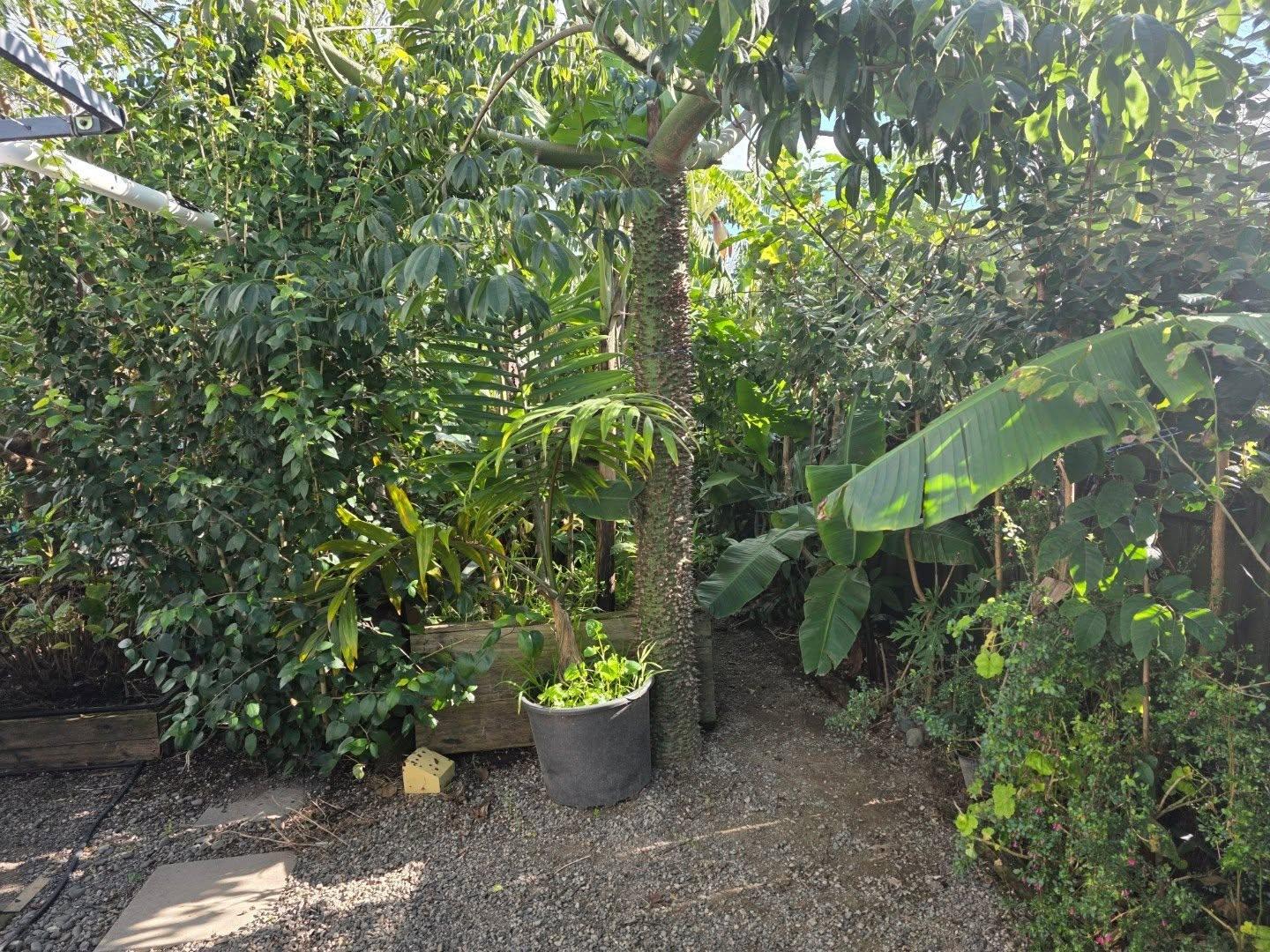
Wind is a design layer
Wind is one of the biggest reasons young food forests fail in New Zealand. It dries soil, shreds leaves, rocks roots, breaks leaders, chills tender growth, reduces pollinator activity and turns frost into a harsher event. In coastal places it may carry salt. On open lifestyle blocks it can be relentless. In suburban sections it can funnel between houses and fences.
Treat wind as a design layer, not a background inconvenience. Shelter is often the first crop.
Observe real wind
Do not rely on memory alone. Stand outside in ordinary prevailing winds and in storms if it is safe. Note where leaves tear, where pots fall, where soil dries fastest, where clotheslines whip, and where neighbouring hedges lean. Mark the main windward edges on your site map.
Wind direction can change by season. A garden may need protection from a drying summer westerly and a cold winter southerly. Coastal sites may need a sacrificial outer edge for salt-laden wind. Record what actually hits your site.
Filter, do not block
A solid wall creates turbulence on the lee side. Good shelter slows wind through a semi-permeable edge. Mixed heights, staggered rows and pruned living screens usually work better than a hard fence alone.
For food forests, shelter can be productive or supportive. Feijoa can make a useful fruiting boundary. Tagasaste can act as a fast nurse shelter where suitable, but it needs a reduction plan. In warm pockets, pigeon pea can provide temporary seasonal shelter around young subtropical trees. Native shelter species may also be appropriate, though this guide keeps plant links to current site profiles.
Use the windbreak shelter edge pattern for the whole layout and the feijoa boundary guild or tagasaste nurse guild for plant combinations.
Sequence shelter before tender fruit
Planting avocado, banana or citrus into an exposed wind tunnel is expensive optimism. Avocado needs shelter from strong wind, especially while establishing. Banana leaves shred easily and the plant becomes a poor biomass engine if every leaf is torn. Citrus drops flowers and struggles with cold dry wind.
The sequence is simple: map wind, plant or install shelter, improve soil and mulch, then add tender or high-value trees in the lee. If budget is tight, spend the first money on shelter and mulch rather than the most glamorous canopy.
Shelter and light must both win
Shelter that blocks all light creates another problem. Keep the productive side sunny enough for fruiting. Use lower hedges on the north side where winter sun matters, taller filtered shelter on the true windward edge, and pruning to keep light moving through the food forest.
In a small section, boundary agreements matter. A shelter hedge that overhangs the neighbour or shades their living area may become a social failure even if it works horticulturally. Read suburban neighbours and boundaries before planting tall edges.
Temporary nurse plants
Nurse plants protect young fruit trees while slower permanent shelter grows. They are useful only if temporary means temporary. Tagasaste can get away quickly and shade the plants it was meant to help. Pigeon pea can become woody and competitive in warm sites if it is not chopped.
Write the reduction plan when you plant. Year one and two may be about shelter. Year three and four may be about side-pruning, coppicing, ringbarking or removal depending on species and site. The planting sequence years 1 to 3 guide helps place this in time.
Wind, water and mulch
Wind dries soil and increases water demand. New shelter plants still need watering, especially in their first two summers. Mulch wide, keep mulch clear of trunks, and check that wind is not blowing mulch off exposed slopes. On slopes, contour paths and rough mulch can reduce drying and erosion.
If irrigation is needed, place it before dense understorey makes access difficult. See water and drainage before combining water harvesting with shelter earthworks.
What success looks like
Successful shelter is not a perfectly still garden. It is a garden where leaves stop shredding, soil stays moist longer, bees can work flowers, young trees put on steady growth, and people can maintain the edge without fighting it every weekend.
Shelter maintenance notes
Inspect shelter after major wind events. Replace gaps while plants are small, tighten loose ties, remove rubbing stakes, and prune for lower density where wind is tunnelling underneath. A shelter edge that is bare at ground level may protect only the sky.
Do not remove temporary shelter all at once. If tagasaste or pigeon pea has been protecting young citrus or avocado, reduce it in stages so the crop plants adjust. Sudden exposure can undo years of establishment, especially before a windy spring.
Record which direction caused the damage. That note guides the next replacement better than a general memory that the site is windy.
Use the free Kai Resilience grower tools to think about spacing, canopy spread and staged planting. Shelter is a foundation investment. Once it is working, every guild inside it has a better chance.
References
- Shelterbelt and garden shelter practice — Filtered shelter usually performs better than a solid wall that creates turbulence.