
Tagasaste nurse guild
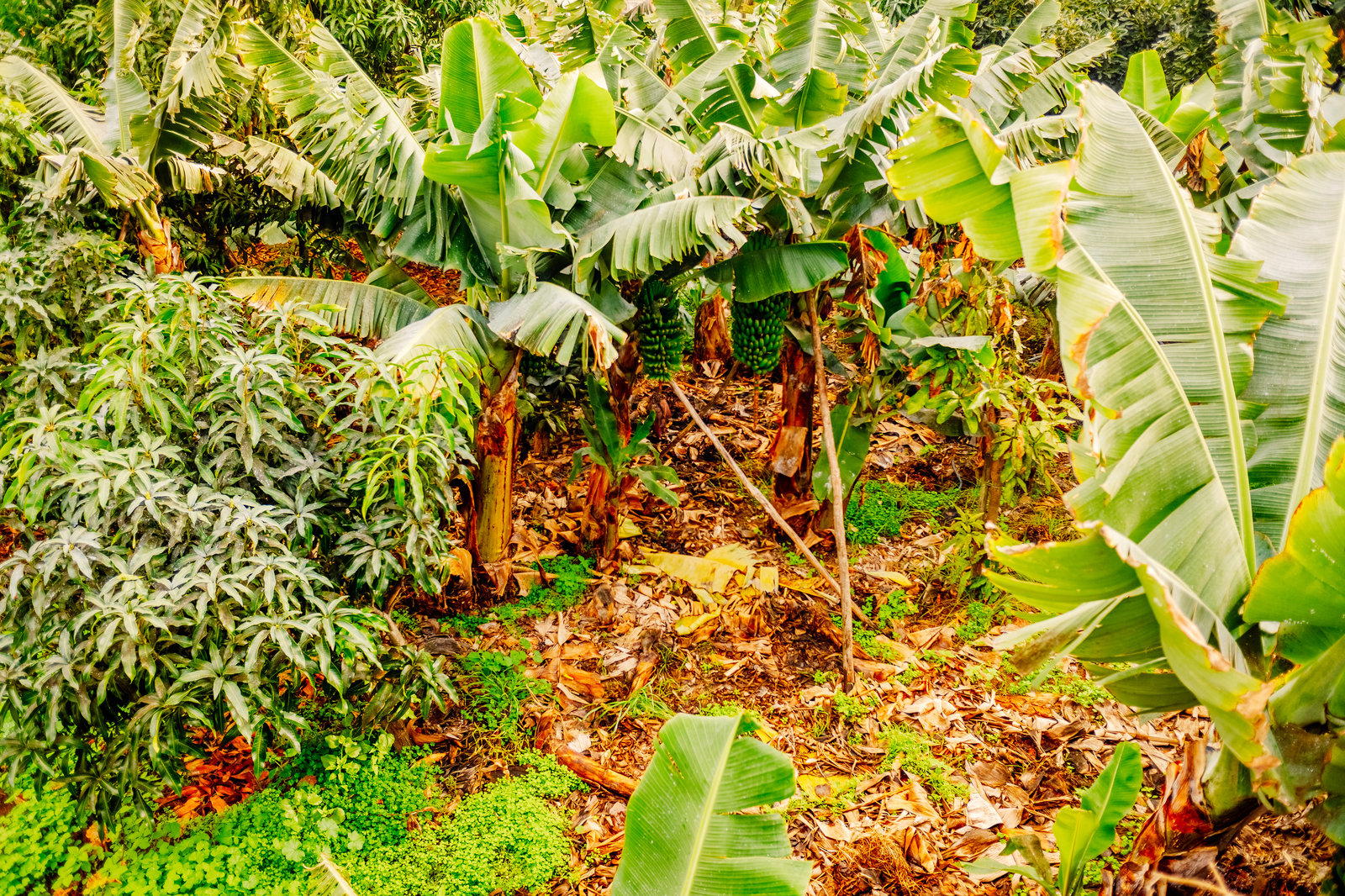
A temporary nitrogen and shelter planting using tagasaste to nurse young fruit trees and hedges — with a written plan to reduce it before it owns the site.
Suitable for
Windy new plantings · Feijoa and orchard establishment · Shelter while permanent hedges grow · Nitrogen boost on poor soils (with monitoring)
Climate
Warm temperate, Temperate, Cool temperate
Site size
Nurse row or pockets along the windward edge of a planting
Labour
Planting is easy; the real work is timed pruning and removal. Skip that and the nurse becomes a weed tree problem.
Site conditions
Wind-exposed edges where permanent plants need a head start. Full sun preferred. Not a forever forest — a staged tool.
Water
Water nurses and protégés through establishment summers. Tagasaste is tough once away; young fruit trees still need mulch and care.
Spacing
Nurses often 1.5–3 m apart on the windward line; keep clear working room around permanent plants.
NZ regions
Auckland, Bay of Plenty, Waikato, Central North Island, Wellington, Nelson–Marlborough, Canterbury
Central species
- Tagasaste
Fast nitrogen-fixing nurse and temporary shelter
Supporting species
- Feijoa
Permanent fruiting structure the nurse protects
- Comfrey
Ground-level mulch once shelter starts
- Nasturtium
Soil cover in establishment years
Suggested layout
Permanent feijoa (or other spine) on the garden side; tagasaste windward as a temporary picket; comfrey and nasturtium at ground level once mulched.
Why it works
- Buys time for slower permanent plants
- Adds nitrogen and mulch material early
- Fits NZ boundary and orchard conversion patterns
- Forces honest phasing if you schedule reduction
Ecological functions
Establishment sequence
- Map wind and plant the permanent fruiting spine first or at the same time.
- Place tagasaste on the windward side at nurse spacing.
- Mulch both; keep trunks clear.
- Add comfrey and nasturtium once beds are defined.
- Write the reduction year on a stake or notebook — year 3–5 typical.
Ongoing management
- Side-prune tagasaste to feed mulch without smothering fruit.
- Ringbark, cut or remove nurses as permanent plants take the shelter role.
- Watch for self-seeding; pull volunteers early.
- Reassess wind each winter — do not remove all shelter overnight.
Common mistakes
- Planting nurses without a removal plan
- Letting tagasaste shade fruiting wood for years
- Using nurses instead of fixing catastrophic wind exposure with real shelter design
- Ignoring self-seeding
Limitations and risks
- Self-seeding — monitor.
- Over-shading if left unmanaged.
Role of each plant
| Plant | Role |
|---|---|
| Tagasaste | Fast nitrogen-fixing nurse and temporary shelter |
| Feijoa | Permanent fruiting structure the nurse protects |
| Comfrey | Ground-level mulch once shelter starts |
| Nasturtium | Soil cover in establishment years |
The idea
Nurse plants are scaffolding. Tagasaste can fix nitrogen and blunt wind while feijoa or other permanents establish — then it must step back.
Reduction checklist
- Year 1–2: protect and mulch
- Year 3: heavy side prune / begin removals
- Year 4–5: permanent plants own the edge
Pair with
Feijoa boundary guild for the lasting planting. This nurse guild is the temporary chapter.
Related guides
Related guilds
References
- Nurse crop practice — Nurses succeed only when reduction is part of the design.
More guilds
- Raspberry alley guildA New Zealand food-forest guild for raspberry alley guild, balancing harvest, shelter, soil cover, water, and realistic maintenance.
- Strawberry groundcover under fruit guildA New Zealand food-forest guild for strawberry groundcover under fruit guild, balancing harvest, shelter, soil cover, water, and realistic maintenance.
- Banana circle guildA moisture-focused planting pattern using banana as the biomass engine, with taro, comfrey and groundcovers in a circular or horseshoe moist hollow.
- Jerusalem artichoke screen caution guildA New Zealand food-forest guild for jerusalem artichoke screen caution guild, balancing harvest, shelter, soil cover, water, and realistic maintenance.