
Banana circle biomass pocket
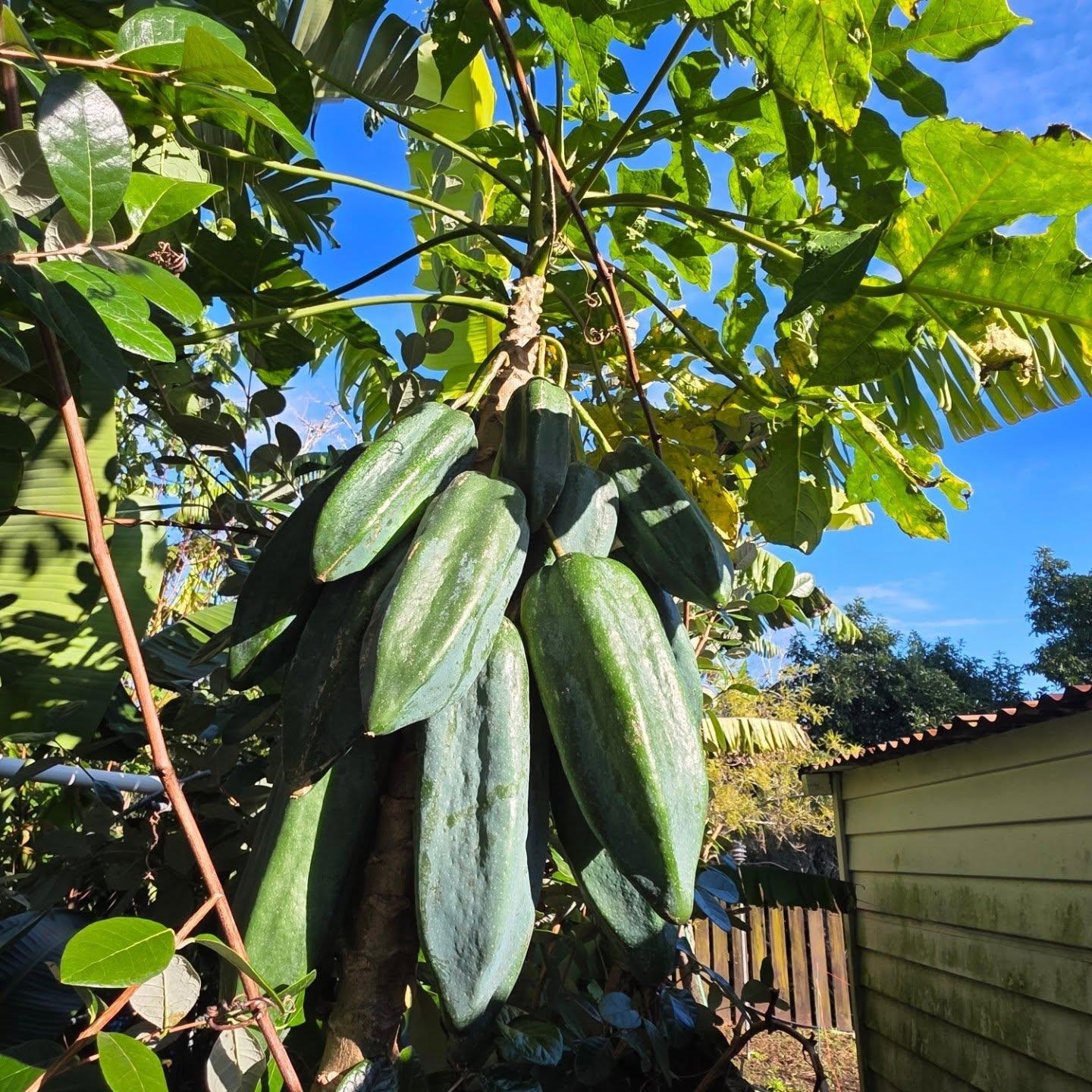
A warm-climate pocket that turns kitchen scraps and chop-and-drop into moisture and fertility — banana and support plants in a mulched basin, Te Puke / subtropical style.
Suitable for
Warm sheltered gardens · Bay of Plenty / Northland pockets · Urban subtropical demos
Climate
Subtropical, Warm temperate
Slope
Flat to gentle; basin holds moisture
Site size
3–6 m diameter pocket
Maintenance
Moderate — chopping, frost watch, mulch renewal.
Labour
Regular chopping and mulch topping. Cold snaps mean covering or accepting reset — do not plant this as your only kai strategy in marginal frost zones.
Water
Central basin receives greywater-safe household water only where appropriate, or rain + rinse water. Keep basin mulched; do not create a stagnant sewage pit.
NZ regions
Northland, Auckland, Bay of Plenty
Layout
A shallow basin or circle with bananas (or other biomass feeders) on the rim, support plants between, and a mulched centre for organic matter. Place in the warmest frost-free microclimate you have — north walls, courtyards, wind shelter.
Why it works
- Concentrates fertility and moisture where tropical plants need it
- Gives suburban growers a contained ‘warm experiment’ without converting the whole section
- Produces biomass for mulching the wider food forest
- Mirrors guild thinking used in subtropical demos like Troppo
Recommended layers
Recommended plants
Establishment sequence
- Confirm frost risk for several winters — talk to neighbours.
- Dig or form a shallow basin; improve drainage if the site waterlogs.
- Plant bananas/clumps on the rim with room to pup.
- Add support plants and thick mulch in the centre.
- Feed with chop-and-drop and appropriate kitchen scraps; never diseased material.
- Use surplus biomass as mulch elsewhere on site.
Common mistakes
- Siting in a frost hollow because ‘bananas are tropical’ on the label
- Turning the basin into a smelly anaerobic dump
- Planting too many clumps for the circle diameter
- Expecting commercial bunch yields in a cool shoulder climate
The idea
A banana circle is a fertility engine more than a fruit factory. In Aotearoa it belongs in genuine warm microclimates — the kind Troppo demonstrates in Te Puke — not in every backyard that once saw a sunny afternoon.
Design rules
- Frost is the gate — if bananas die to the ground yearly, treat them as annual biomass, not canopy.
- Mulch centre, living rim — keep the middle fed and covered.
- Contain the experiment — one pocket teaches more than a failed half-section.
- Hygiene — no meat/dairy dumps; no diseased prunings.
Pairing
Use biomass from the circle to mulch citrus, feijoa edges and avocado guilds elsewhere on the same property.
Related guilds
Related guides
Related case studies
References
- Banana circle guild — See on-site guild profile for roles and spacing notes.
- Troppo — Warm urban Te Puke reference for subtropical biomass thinking.
More patterns
- Church community vergeA practical New Zealand food-forest design pattern for church community verge, with staged establishment, access, water, and maintenance built in.
- School and marae community edgeA public-facing food forest edge for schools, marae and community gardens — tough plants, clear paths, teaching layers and shared care without fragile showpieces.
- Existing orchard conversionUnderplant and enrich edges to shift a simple orchard toward a more diverse food forest — without ripping out every productive tree.
- Kiwifruit shelter conversionA practical New Zealand food-forest design pattern for kiwifruit shelter conversion, with staged establishment, access, water, and maintenance built in.