
Troppo — tropical urban food forest, Te Puke
Te Puke’s working urban tropical food forest: the chapter you can walk today — stacked canopy, nursery, workshops and the seedbed for NZ grower tools, with teaching that feeds this wiki.
Comprehensive information
Why this site matters
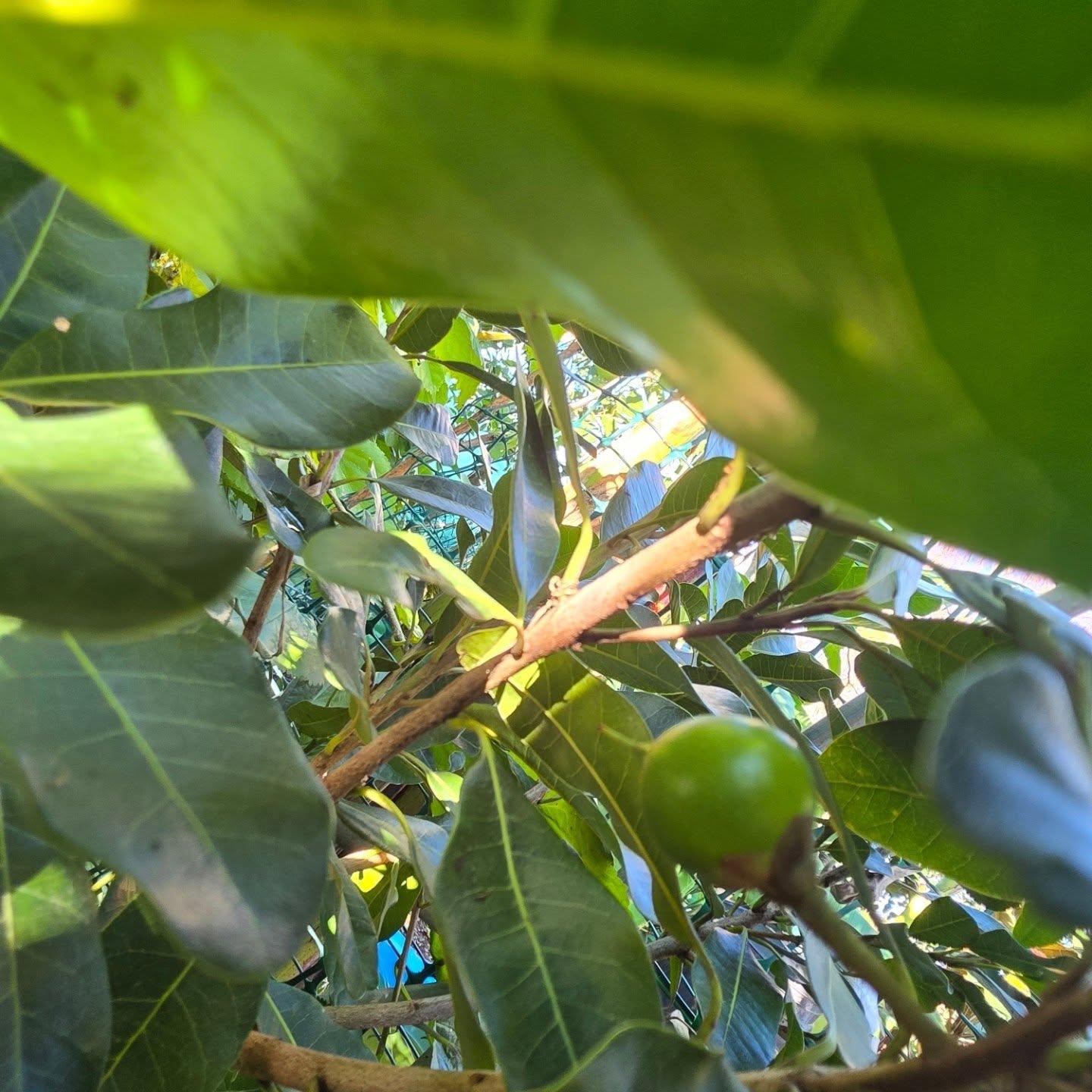
Troppo is Vector Group Charitable Trust’s tropical urban food forest in Te Puke — the chapter you can visit today. After years of tropical practice elsewhere in the Pacific, this town-scale plot is where stacked canopy, subtropical edibles, nursery work and visitor learning share ordinary Bay of Plenty streets. It proves layered kai can belong in a New Zealand town, not only on distant lifestyle blocks.
It remains the dirt-under-the-nails reference for the wider kai resilience story — tools, school, directory and the educational wiki at foodforest.org.nz.
What happens on the ground
- Demonstration forest — productive tropical and subtropical growing in practice, including syntropic-style biomass thinking suited to warmer NZ microclimates
- Nursery & plant access — fruit trees, subtropicals and rare edibles with nationwide shipping via the Troppo shop
- Living classroom — workshops, youth learning and guided food-forest tours that make layers tactile
- Growing advice — published guides, calendars and collection notes for Kiwi gardeners on troppo.nz
- Community engagement — plant knowledge flows into Grow Te Puke, crop swaps, Food Forests NZ and regional kai conversations
Design lessons for growers
- Climate is local — Te Puke’s edge is warmth and relative frost freedom; copy species, not assumptions, onto colder inland or southern sites.
- Canopy is a commitment — upper trees shape light and wind for decades; choose few, place well.
- Support plants earn their keep — biomass, mulch and guild partners matter as much as the fruit tree on the label.
- Urban scale still counts — a town plot can teach more people than a distant demonstration farm they never visit.
From plot to network
Troppo does not stop at the fence line. Observation and teaching on site fed a suite of free grower tools, land-planning work on RegenOS, learning pathways on Food Resilience School NZ, and community doors at Food Forests NZ and Kai Resilience. The working forest remains the reference; the wiki and digital layer carry the craft further.
Visit and follow
- Site & shop: troppo.nz
- Growing articles: Troppo Plant & Garden Articles
- Free tools hub: kairesilience.food/tools
- Charity project: vectorgroup.org.nz/projects/troppo
References
- Troppo — tropical urban food forest & nursery — Living site, shop and growing advice
- VGCT project page — Troppo — Charity programme framing
- Kai Resilience public programme — Wider kai ecosystem context